Buyers
The New Hampshire Buyer Guide
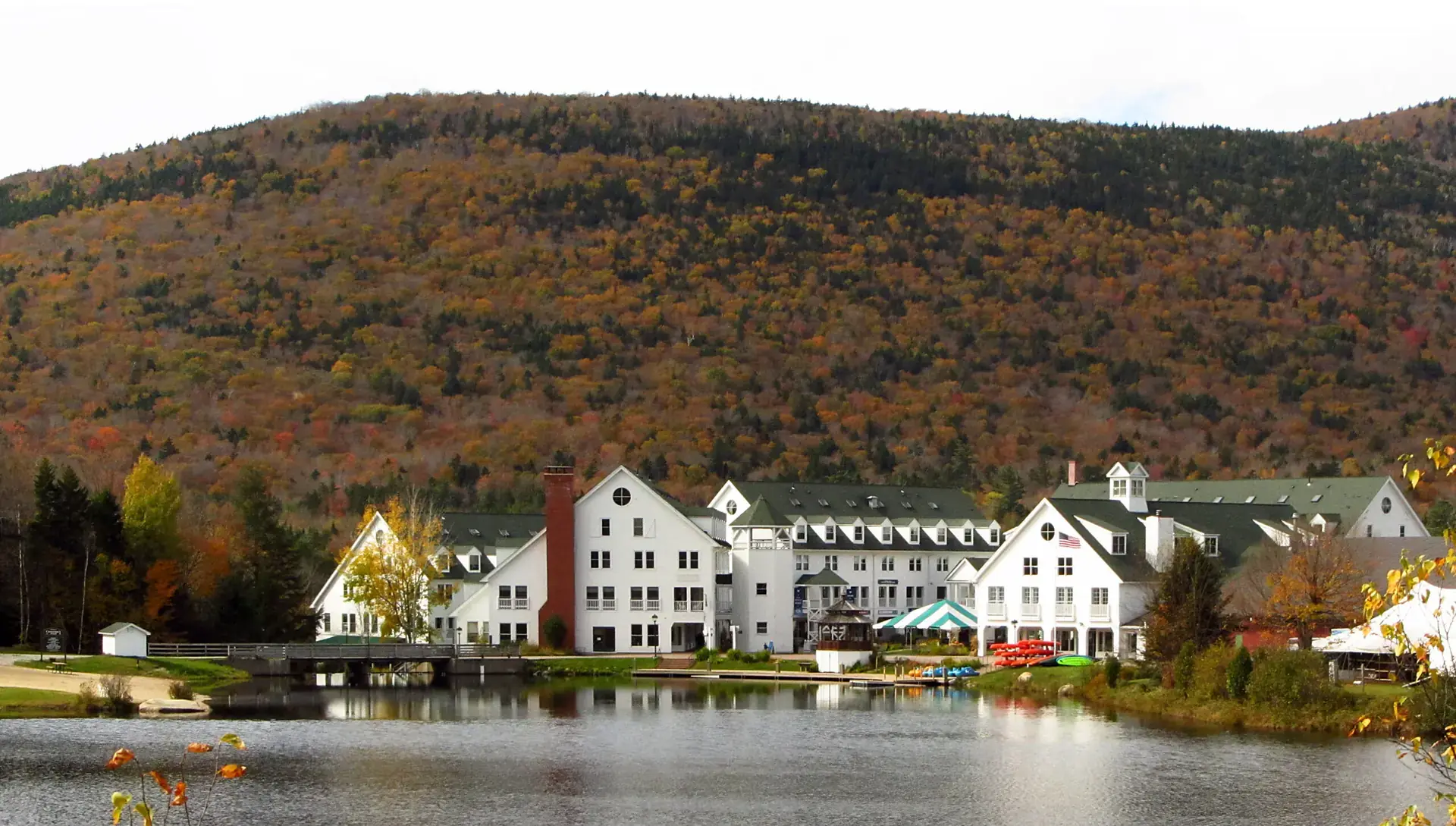
Buying in the White Mountains, Pemi Valley, or Lakes Region — how it really works, from a brokerage that lives here.
Why New Hampshire
Live Free, Four Seasons a Year
New Hampshire has no state income tax on wages and no general sales tax — a combination that draws buyers from across New England, whether they’re relocating full-time or buying the mountain getaway they’ve always wanted.
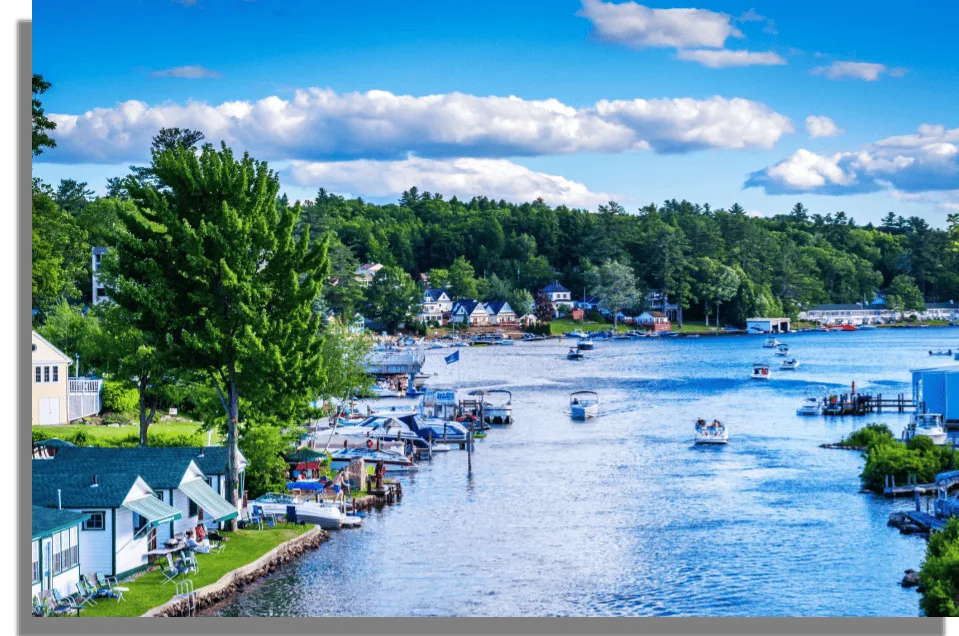
What keeps people here is the lifestyle. Ski areas and snowshoe trails in winter, lakes and rivers all summer, world-class hiking out the back door, and a foliage season that needs no introduction. In the White Mountains, Pemi Valley, and Lakes Region, four-season recreation isn’t a marketing line — it’s the daily routine.
One honest caveat: because the state skips those broad taxes, towns fund schools and services largely through the property tax. Rates are comparatively higher than in many states and vary meaningfully from town to town — so the town you choose matters as much as the house. That’s exactly where local guidance earns its keep.
The Buying Process
From Pre-Approval to the Keys
Every purchase is different, but the road map is the same. Here’s the New Hampshire buying process step by step — including the local conventions worth knowing: buyer agency agreements are standard, earnest money is held in escrow, and closings are commonly handled by title companies or attorneys.
Get Pre-Approved
Talk with a lender before you tour. Pre-approval defines your real budget, strengthens your offer, and lets you move quickly when the right property appears. Vacation and resort properties can carry different financing requirements than a primary home, so tell your lender how you plan to use the property.
Define Your Search
Decide what matters: primary home or getaway, acreage or association, slope-side or lakeside. In New Hampshire the town you choose shapes your property tax bill, your commute, and your seasons — so we start with towns and lifestyle, not just listings.
Tour & Make an Offer
Written buyer agency agreements are standard practice in New Hampshire — your agent's duties and compensation are put in writing before you tour. When you find the right property, we build an offer around price, terms, contingencies, and timing that fit the local market.
Purchase & Sale Agreement
Once terms are agreed, both parties sign the purchase and sale agreement. Before it's executed you're entitled to the seller's written water, septic, and insulation disclosures (RSA 477:4-c and 4-d) plus the state's radon, arsenic, lead, PFAS, and flood-zone notifications (RSA 477:4-a). Your earnest money deposit is held in escrow, and the contract sets the deadlines for inspections, financing, and closing.
Inspections & Due Diligence
The inspection window is your chance to understand the property: a general home inspection plus the NH-specific items — well water quality and quantity, septic condition, radon in air and water, heating systems, and road access. Findings can be negotiated before you proceed.
Appraisal & Financing
If you're financing, your lender orders an appraisal and finalizes underwriting. We keep the file moving — coordinating with the lender, responding to document requests, and protecting your contract deadlines along the way.
Closing
In New Hampshire, closings are commonly handled by a title company or a closing attorney. You'll pay the buyer's half of the Real Estate Transfer Tax — $0.75 per $100 of the price under RSA 78-B — plus your closing costs. Title is searched, funds are collected and disbursed, the deed is recorded at the county registry, and the keys are yours.
Move In & Beyond
Our relationship doesn't end at closing. Through the Homeowner Advantage Program you get complimentary moving trailer use, a trusted local service network, annual home value reviews, and ongoing real estate support for as long as you own the home.
Due Diligence
Inspections for Country Living
A general home inspection is only the start here. Outside town centers, most New Hampshire properties come with a private well, a septic system, granite bedrock under the foundation, and sometimes a private road — each with its own routine checks. None of this should scare you off; it just needs to be done, and done during your inspection window.
Water
Private Wells
Outside town centers, most New Hampshire homes draw water from a private well. Sellers must disclose what they know about the water system in writing (RSA 477:4-c), but a disclosure is not a test — order a standard laboratory panel plus arsenic and radon, which occur naturally in NH bedrock, and a flow test so you know the well delivers year-round.
Wastewater
Septic Systems
Rural and vacation properties commonly rely on private septic systems. A septic inspection and pumping evaluation tells you the age, condition, and capacity of the system — and whether it matches the number of bedrooms the home is marketed with.
Air & Water
Radon Testing
Radon is prevalent in New Hampshire's granite bedrock, and testing is a routine part of due diligence here — in the air and, for homes on private wells, in the water. Sellers hand you the state's radon and arsenic notifications (RSA 477:4-a), but a notification is not a test. Where levels are elevated, mitigation systems are well-established and effective.
Heating
Oil & Propane Systems
Many NH homes heat with oil or propane. Ask about the age and service history of the boiler or furnace, who owns the propane tank (leased tanks stay with the supplier), and whether any oil tank is buried — details that affect insurance and operating costs.
Wood Heat
Wood Stoves & Chimneys
Wood stoves are a way of life in the mountains. A chimney and solid-fuel appliance inspection confirms safe clearances, liner condition, and proper installation — documentation your insurance carrier may ask for.
Access
Roads & Access
Confirm how you reach the property in March, not just July. Private and seasonal roads raise practical questions: who plows, who maintains, and is there a written road maintenance agreement? Lenders often want one before financing a home on a private road.
Plan Ahead
Costs to Plan For
No surprises at the closing table. Beyond the purchase price, these are the costs New Hampshire buyers should have on their radar from day one.
Paid by Buyer and Seller
Real Estate Transfer Tax
New Hampshire charges a Real Estate Transfer Tax (RSA 78-B) of $0.75 per $100 of the price paid — by each of the buyer and the seller. That is $1.50 per $100 combined, with a $40 minimum total, collected at closing and paid to the state when the deed is recorded.
Budget Ahead
Typical Closing Costs
Beyond your down payment, plan for the usual buyer-side costs, which vary with the lender and the property:
- Lender & origination fees
- Appraisal
- Title search & title insurance
- Prepaid property taxes & insurance escrows
- Recording fees
- Well, septic & radon testing
RSA 79-A
Current-Use Land
Much of New Hampshire's open land is enrolled in current use (RSA 79-A) — a reduced assessment for qualifying undeveloped land that transfers with the property. If enrolled land is later developed or changed to a non-qualifying use, a Land Use Change Tax of 10% of the land's full market value applies. Know the status before you plan to build.

Market Rhythm
A Market That Moves With the Seasons
New Hampshire real estate follows the calendar. Inventory builds through spring and peaks in summer, when lake and mountain properties show at their best. Fall brings a second wave — foliage season puts buyers in the region and motivated sellers on the market. Winter is quieter, with fewer listings but also less competition for the buyers who stay engaged.
Vacation-market towns dance to their own beat. Waterville Valley, Lincoln, Woodstock, and the Lakes Region see activity spike around ski season and summer holidays, when visitors decide they’d rather own than rent. Primary-home towns like Plymouth and Campton track more traditional patterns — school calendars, job moves, and interest rates.
Knowing which rhythm your target town follows shapes strategy: when the good inventory appears, when sellers negotiate, and when a well-prepared off-season buyer has the field nearly to themselves.
Vacation & Second Homes
Buying in a Resort Community
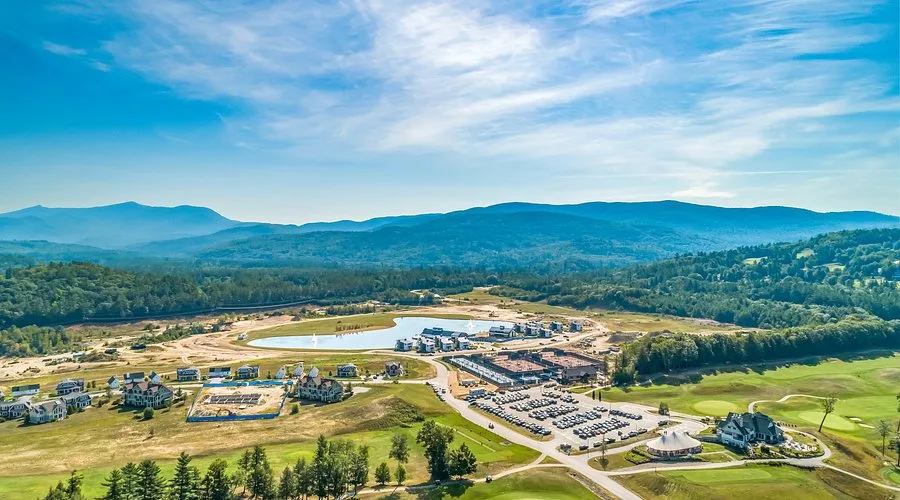
Much of our market is vacation property, and resort communities come with their own homework: homeowners associations and their fees, amenity access, rental policies, and how the association is funded and managed. We walk buyers through the documents so the monthly reality matches the brochure.
If renting the property when you’re not using it is part of your plan, we bring a perspective most brokerages can’t: we evaluate properties through actual vacation-rental operations. Request a Short-Term Rental Property Analysis and we’ll assess a specific property’s suitability before you commit.
Want to experience an area before you buy? Stay in one of our vacation rentals and spend a weekend living like an owner first.
After Closing
Our Relationship Doesn't End at Closing
Buying with Owl’s Nest comes with benefits that continue after closing — complimentary moving trailer use, a trusted local service network, annual home value and equity reviews, and ongoing real estate support throughout your ownership.
Frequently Asked Questions
Do I need a buyer's agent to buy a home in New Hampshire?
There's no law requiring one, but written buyer agency agreements are standard practice in New Hampshire — your agent's duties and compensation are agreed in writing before you tour homes, and New Hampshire brokers provide a brokerage relationship disclosure at first substantive contact.
A local buyer's agent earns that role in this market: evaluating wells, septic systems, road access, and association documents; reading value in towns where a mile can change the tax rate and the lifestyle; and negotiating price, contingencies, and repairs on your behalf.
Owl's Nest Real Estate is locally owned by broker Tom DeMatteo, with offices in Campton (399 NH Route 49) and Plymouth (56 Main St) — we live and work in the towns we help you buy in.
How much are property taxes in New Hampshire?
It depends on the town — meaningfully. New Hampshire has no state income tax on wages and no general sales tax, so towns fund schools and services largely through the property tax, and rates are set town by town each year.
Two similar homes in neighboring towns can carry very different tax bills. When we compare properties for you, we look at the town's current rate and the assessment together, so you're comparing real annual costs — not just list prices.
Because schools are a major share of town budgets, comparing districts helps too — our school pages cover the districts across our markets.
Who pays the real estate transfer tax in New Hampshire?
Both sides do. The New Hampshire Real Estate Transfer Tax (RSA 78-B) is $0.75 per $100 of the price paid by the buyer and $0.75 per $100 paid by the seller — $1.50 per $100 combined, with a $40 minimum total. It is collected at closing when the deed is recorded.
What is "current use" land?
Current use (RSA 79-A) is a New Hampshire program that assesses qualifying open land — generally larger undeveloped parcels of farm, forest, or unproductive land — at its current use value rather than its development value, which lowers the tax on that land.
Enrollment stays with the land when it sells. If you later develop enrolled land or change it to a non-qualifying use, a Land Use Change Tax of 10% of the land's full market value comes due. If a property includes acreage in current use, we make sure you understand the status before you write an offer.
Do I need a well and septic inspection?
If the property has a private well or septic system — and outside town centers most do — yes. These are separate from a general home inspection: the well is tested for water quality (including arsenic and radon, which occur naturally in NH bedrock) and for quantity, and the septic system is inspected and evaluated for age, condition, and capacity.
New Hampshire law (RSA 477:4-c) requires the seller to disclose what they know about the water and septic systems in writing — but a disclosure is not an inspection. Replacing a failed well or septic system is a significant expense, so this is due diligence we recommend for every rural purchase.
Should I test for radon?
Yes. Radon occurs naturally in New Hampshire's granite bedrock and is common enough here that testing is a routine part of the inspection period — in the air and, for homes on private wells, in the water. Sellers must give you the state's radon and arsenic notifications (RSA 477:4-a) before the purchase and sale agreement is signed, but a notification is not a test.
If a test comes back elevated, mitigation systems are well-established, effective, and typically a negotiable item — not a reason to walk away from an otherwise sound home.
What should I know before buying a ski condo in New Hampshire?
Resort and condo purchases add a document-review layer: the association's budget, reserve funds, meeting minutes, rental and pet policies, and any pending special assessments. Fees vary widely with what they cover — some resort associations include heat, cable, or shuttle service, while others cover little beyond master insurance and plowing. We read these documents with you so the monthly reality matches the brochure.
Financing can differ too — some lenders apply different rules to resort condominiums, so tell your lender early. And if you plan to rent the condo when you’re not using it, request a Short-Term Rental Property Analysis first — our team also operates local vacation rentals, so the assessment comes from real operations, not a spreadsheet template.
For a feel for the flagship ski town itself, start with our Waterville Valley four-seasons guide.
Can I get a mortgage on a house on a private road in NH?
Usually, yes — but expect your lender to ask questions. Many lenders want a recorded road maintenance agreement spelling out who plows and repairs the road and how costs are shared before they'll finance a home on a private road. Where no written agreement exists, some loan programs get complicated.
Seasonal and unmaintained roads raise the bar further — financing, insurance, and even emergency access can be affected. None of this is a deal-breaker, but it needs to surface during your due-diligence window, not the week of closing. It's one of the first things we check when we evaluate a rural listing with you.
How long does closing take in New Hampshire?
Most financed purchases run approximately 30–45 days from accepted offer to closing, driven by inspections, appraisal, and underwriting. Cash purchases can close faster — often within a few weeks, limited mainly by title work.
In New Hampshire, closings are commonly handled by a title company or a closing attorney, who searches title, prepares the settlement, and records the deed at the county registry.
Can I buy before selling my current home?
Often, yes — the right path depends on your finances and the market. Options include making your offer contingent on your home sale, bridge financing or a home equity line against your current home, or qualifying to carry both properties for a short period.
In competitive vacation markets a non-contingent offer is stronger, so we work with you and your lender early to understand which options are realistic before you fall in love with a property. And if the home you’re selling is also in New Hampshire, our guide to selling a house in New Hampshire covers coordinating both sides.
Is 2026 a good time to buy a house in New Hampshire?
There is no universal answer, but the fundamentals here are steady: inventory across the White Mountains and Lakes Region remains tight relative to demand, well-priced homes still attract multiple buyers, and the region continues to draw both full-time relocators and second-home buyers. Waiting for a perfect market usually costs more than buying the right house when it appears.
The better question is whether it’s a good time for you — your rate, your timeline, your plans for the property. For the data on prices, inventory, and where things are heading, read our 2026 New Hampshire housing market report.
Do I need an attorney to buy a house in New Hampshire?
New Hampshire doesn't require you to hire an attorney to buy a home — closings here are commonly handled by a title company or a closing attorney, who searches title, prepares the settlement, and records the deed.
That said, some purchases deserve independent legal review: land enrolled in current use (RSA 79-A), shared private roads without a written maintenance agreement, boundary or easement questions, and purchases involving trusts or estates. We'll tell you plainly when we think a file needs a lawyer's eyes — and connect you with local attorneys who know these towns.
Ready When You Are
Start Your New Hampshire Search
Browse live listings across the White Mountains, Pemi Valley, and Lakes Region — or skip the searching and let our Perfect Home Finder match you with homes that fit your wish list, including listings that never make it to the portals.