Sell With Us
Sell Your Home in Ashland New Hampshire
Little Squam frontage, a walkable Main Street and an interstate exit of its own — we match Ashland listings to the lake buyers, rental investors and Plymouth commuters already circling this village.
What's Your Ashland Home Worth?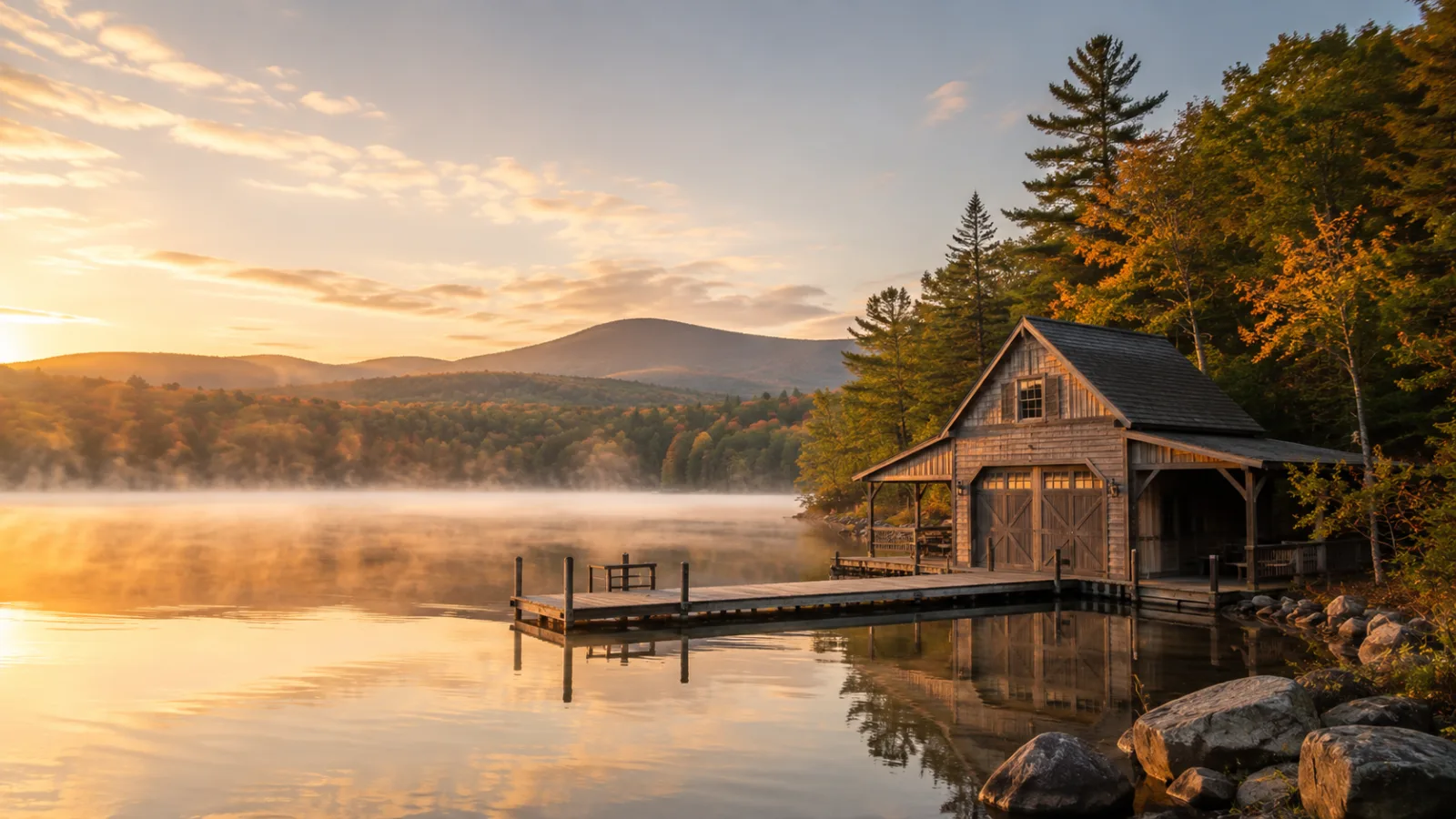
Selling in Ashland
The Front Porch of the Squam Lakes
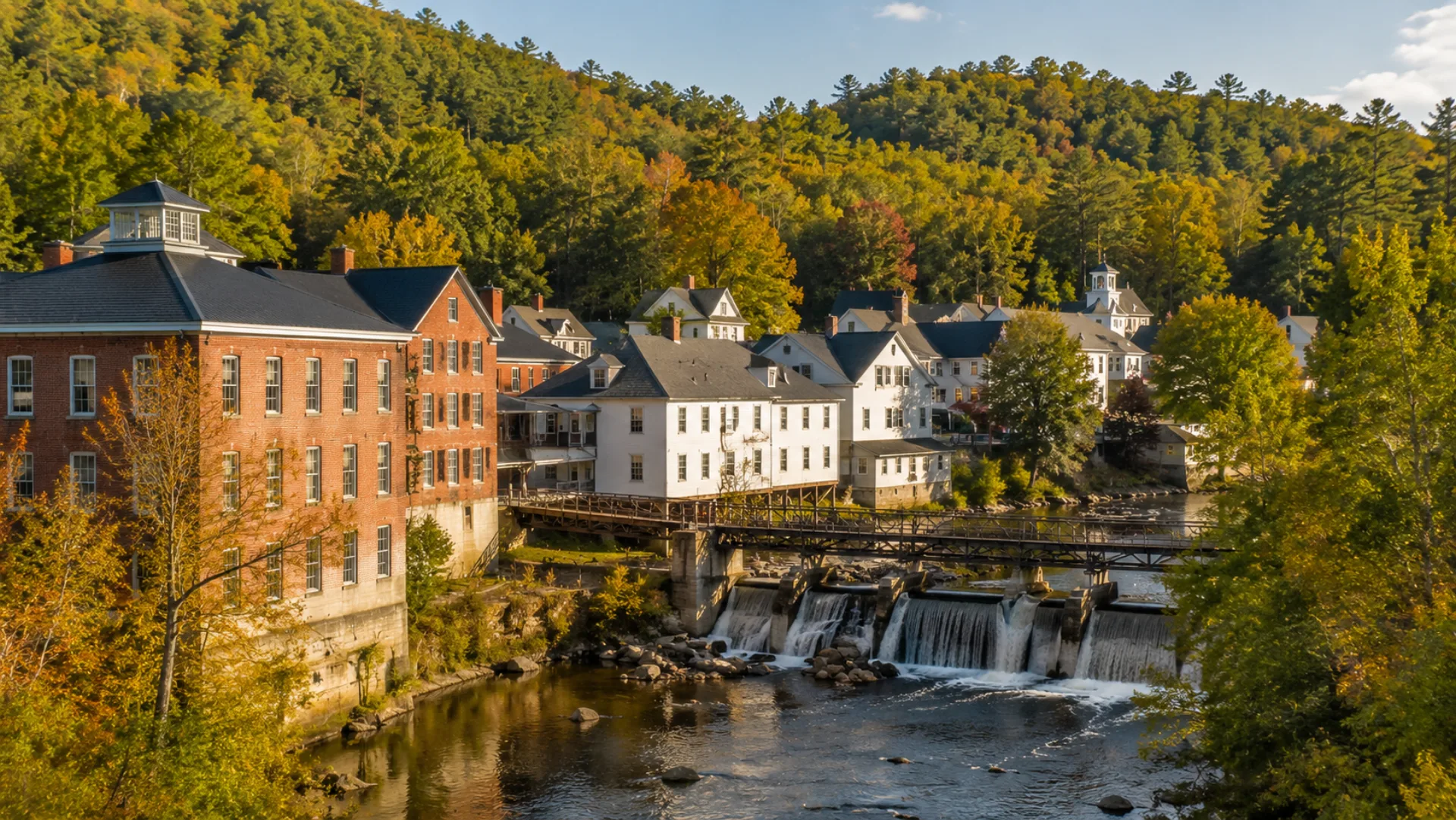
Ashland is the town I describe to buyers as the whole Squam story in miniature — a genuine working village wrapped around the Squam River, with Little Squam Lake at one edge of town, the Pemigewasset at the other, and I-93's exit 24 landing you practically on Main Street. Our Plymouth office is one exit up the highway, which makes an Ashland showing the shortest drive on my calendar, and I make it constantly.
Here's why that geography matters to your sale price. True Squam waterfront is scarce, tightly held and often traded quietly, and the buyers who can't crack that market — or won't pay Holderness numbers to try — flow west through the channel to Little Squam and into Ashland, where the same watershed comes with a grocery store, a hardware store and a downtown you can cover on foot. An Ashland listing inherits that pressure the day it goes live.
Further down you'll find the live Ashland market data, the closings we've handled around the Squam corridor, and the questions Ashland owners actually bring us — from the dock file on a Little Squam camp to what becomes of a summer's worth of bookings when a rental home changes hands.
Live Market Data
The Ashland Market Right Now
For Sale in Ashland — Live From the MLS
For-sale figures read the live MLS feed and change as homes come on and go under contract; sold figures are Owl's Nest Real Estate closings in Ashland over the last 12 months.
Ashland Local Knowledge
A Minute Off the Highway and a Paddle From the Lake
Ashland occupies the seam where the White Mountains hand off to the Lakes Region. Routes 3 and 25 run through the village as its Main Street, Route 132 brushes the edge of town, and exit 24 sits so close that getting on the interstate takes about the time it takes to buckle a seatbelt. Plymouth — Speare Memorial Hospital, Plymouth State University, the big grocery runs — is five minutes away, Waterville Valley's exit is the next one up, and both that mountain and Loon are within roughly half an hour. Few New Hampshire villages compress this much reach into so small a footprint.
The village itself carries more character than its size suggests: a riverside pocket park with a gazebo along Main Street, a historical society that keeps the 1830s Whipple House — birthplace of Nobel laureate George Hoyt Whipple — alongside the Pauline E. Glidden Toy Museum and the restored nineteenth-century railroad station, and Riveredge Marina working the Little Squam shore. Even Owl's Nest Resort has reached into town, adding its Vineyard Course on the Ashland side as the resort grows toward thirty-six holes. That mix explains why buyers with very different budgets keep crossing paths here — and why an Ashland seller rarely markets to just one of them.
Ashland Local Knowledge
Ashland NH Real Estate Runs on Two Price Ladders
Every Ashland listing climbs one of two ladders, and knowing which is half of pricing it right. The village ladder holds the in-town homes — walkable streets, modest lots, the everyday housing stock that trades against comparable villages up and down the valley and moves on condition, character and that famous highway access. The water ladder holds everything the Squam market reaches: Little Squam frontage, Squam River lots, and water-access homes whose value is set less by square footage than by frontage quality, dock rights and shoreland rules, measured against a watershed where only a handful of properties surface in a given year.
The expensive mistake is mixing the ladders — a village cape dressed up and priced like lake product will sit untouched, while a river-frontage home comped against in-town sales quietly gives away the scarcity premium a Squam-watershed address commands. And one quiet argument helps the village side more than sellers realize: Ashland's town beach on Little Squam is reserved for residents and taxpayers, so every in-town deed carries lake access that most of the region's buyers cannot get at any price elsewhere. We decide which ladder your home truly belongs on — sometimes it straddles both — before a single photo is taken.
Ashland Local Knowledge
The Exit 24 Story Buyers Tell Themselves
Most of the towns we sell in ask a buyer to commit to a valley road — the drive up Route 49, the climb to a resort village, the long approach that is part of the charm and part of the cost. Ashland asks for none of it. The town starts at the off-ramp: Boston is about two hours down a single interstate, the skiing splits the difference between two mountains, and the lake is on the way home from the highway rather than a second journey beyond it. For weekenders, that pitch — arrive Friday night without the last-mile slog — is often the detail that converts a maybe into an offer.
So we write that story into the marketing on purpose instead of hoping buyers assemble it themselves. A commuter household shopping the Plymouth payrolls sees the five-minute run to the hospital and the university spelled out. A ski family comparing basecamps sees both mountains inside the half-hour ring. A Squam shopper priced off the big lake sees the channel, the marina and the town beach mapped against the asking price. Same house, three framings — and the listing that names its buyer's math outsells the one that lists its bedrooms.
Ashland Local Knowledge
When Your House Moonlights as a Lake Vacation
Squam has famously never grown a commercial strip — no motels, no boardwalk, barely a handful of family boat operations — so the people who vacation on these lakes overwhelmingly sleep in private homes. Ashland, with the marina, the channel to the big lake and the region's most attainable entry prices, catches a real share of that demand every summer, and the ski corridor a half hour north keeps shoulder-season and winter weekends from going dark. A house here can earn in ways a spreadsheet-minded buyer will pay for.
If yours already does, the record is worth real money at the negotiating table: seasonal occupancy, gross receipts, the tax returns filed on those stays and the operating costs that make the net honest, laid out so an investor can check the math instead of trusting the adjectives. If it never has, we put the property through our short-term-rental analysis before listing — a defensible earning estimate broadens the audience beyond second-home shoppers to the income-minded, and around the Squam corridor that second audience bids with conviction.
The Buyer Pool
Four Buyers Keep Finding Ashland
The first is the Squam-priced-out lake buyer — someone who started the search dreaming of Holderness frontage, met the market, and discovered that Little Squam and the water-access homes around it deliver most of the same summers at a fraction of the entry point. The second is the rental investor, drawn by a lake-vacation calendar that hotels can't serve and a village that guests can walk. The third is the Plymouth-workforce household — hospital, university and Main Street employers five minutes away — that wants to live near work in a real village rather than over the shoulder of a campus. And the fourth is the downsizer, for whom Ashland's flat, walkable center, errands on foot and gentler pace read like the retirement plan they actually wanted.
Those four don't open the same listing for the same reason, so we don't market your home the same way to all of them. The lake buyer needs the water story, the investor needs the numbers, the commuter needs the drive times and the downsizer needs the sidewalk — and the photography, copy and placement all follow from an honest call about who this particular house is really for.
What Is Your Ashland Home Worth
Pull an instant estimate from real MLS closings around Ashland — then we true it up for the question no algorithm reads well here, which is how your home sits relative to the water.
Selling an Ashland home that earns rental income?
Our experience operating vacation rentals gives us a different perspective when evaluating potential rental properties.
Selling in Ashland — Your Questions, Answered
My Ashland home is on town water and sewer. Is there anything left to disclose about it?
Yes, though your job is easier than your neighbors' outside the village. Homes in Ashland's village core are typically connected to municipal water and sewer, which spares your sale the well test and septic inspection that dominate due diligence on rural property — a genuine advantage worth stating plainly in the listing. New Hampshire's property-disclosure statute, RSA 477:4-c, still applies either way: it has sellers describe the water-supply and sewage arrangements they know of, which for a connected home means confirming the municipal hookups and flagging anything you know about the service lines on your side of them. If your home sits outside the core, relying on its own well and septic, the fuller written rundown — system type, age, known problems — is required, and buyers will test regardless. We establish which situation is yours at the first listing appointment.
How much of the state transfer tax comes out of my proceeds on an Ashland sale?
Half of the total. RSA 78-B taxes every New Hampshire deed transfer at $1.50 for each $100 that changes hands, divided evenly between the parties — the seller carries $0.75 of every $100. Sell an Ashland village home for $380,000 and $2,850 is deducted on your side, and the buyer contributes an equal sum; the settlement agent remits it to the state at recording. Ashland layers no municipal transfer tax onto the state's. The full cost picture beyond this one line lives in our guide to NH seller closing costs.
What paperwork should I gather before selling a Little Squam waterfront home?
Start with the two files every Squam-watershed buyer's attorney asks for. First, the shoreland file: RSA 483-B, the Shoreland Water Quality Protection Act, governs the first 250 feet back from the water — building setbacks, limits on cutting in the waterfront buffer, caps on impervious surface — and because grandfathered lawns, decks and near-water structures generally can't be recreated today, documentation showing yours predates the rules is value, not liability. Second, the dock file: even a seasonal dock needs state approval through NHDES, and a buyer will want to see that the dock is permitted or legitimately grandfathered and what the paperwork actually covers. Add a recent septic pump-and-locate if the system sits near the water, and a survey if you have one. On Squam waters, the prepared file is what lets a sale move at the speed this market's scarcity invites.
I rent my Ashland house to summer lake guests. What conveys to a buyer and what doesn't?
Three different answers for three different assets. The forward bookings can convey — the sale contract assigns the stays, prorates deposits and prepaid nights, and names who talks to the guests through the change of ownership. The platform side cannot: your host account and the years of reviews attached to it are yours alone, meaning the buyer starts a fresh listing — which is precisely why an assigned calendar of confirmed stays is so valuable to them. And the tax side resets, because the state ties its Meals and Rentals registration to the operator rather than the address, so the buyer must hold their own before any stay they host gets taxed. What bridges all three is your earning record: statements, seasonal occupancy and filed returns transfer perfectly well as evidence, and they're the exhibit that does the persuading.
What will buyers ask for when I sell my condo at Owl's Nest Vineyard Course (the former White Mountain Country Club)?
The association file, before almost anything else. Under New Hampshire's condominium act your buyer receives the association's records — declaration, bylaws, current budget, fee schedule, rules — plus a built-in review window, and at a golf community the sharp questions all live in that stack: what the fee funds, how the course and clubhouse relate to the association, and precisely what access accompanies the unit as opposed to arrangements that were personal to you. We confirm those answers in writing with the association before your condo hits the market, because the fairway setting sells the showing but the clean file is what closes it. The course wrapping the neighborhood does the photography a favor either way.
When should an Ashland listing hit the market?
Match the launch to the ladder your home is on. Water and water-access product argues for the lake's operating season — from late May through foliage the marina is busy, the town beach is open and Little Squam demonstrates itself better than any brochure, so that's when those listings photograph and show strongest. Village homes draw their deepest traffic in the classic spring window, when the broadest pool of year-round and workforce buyers is active. Commuter-oriented homes near the exit genuinely move in any month, because drive-time math doesn't take a season off. And a summer rental with a full calendar can be strongest listed mid-season, bookings visible, as living proof of the income. Which of those clocks your home runs on is one of the first things we settle together.
Keep Exploring Ashland
Ashland for Buyers
Know the Squam Market
Plan Your Sale
Ready-to-Sell Program
Preparing to Sell?
For qualifying listings, we help prepare your property for market — with a complimentary pre-listing home inspection and up to $2,500 in approved preparation expenses advanced upfront and reimbursed from your sale proceeds at closing.