Sell With Us
Sell Your Home in Lincoln or North Woodstock New Hampshire
The busiest ski corridor in the White Mountains already delivers your buyers to Exit 32 every weekend — we price by the building, turn booking ledgers into proof, and run showings around the lift line.
What's Your Lincoln & Woodstock Home Worth?
Selling in Lincoln & Woodstock
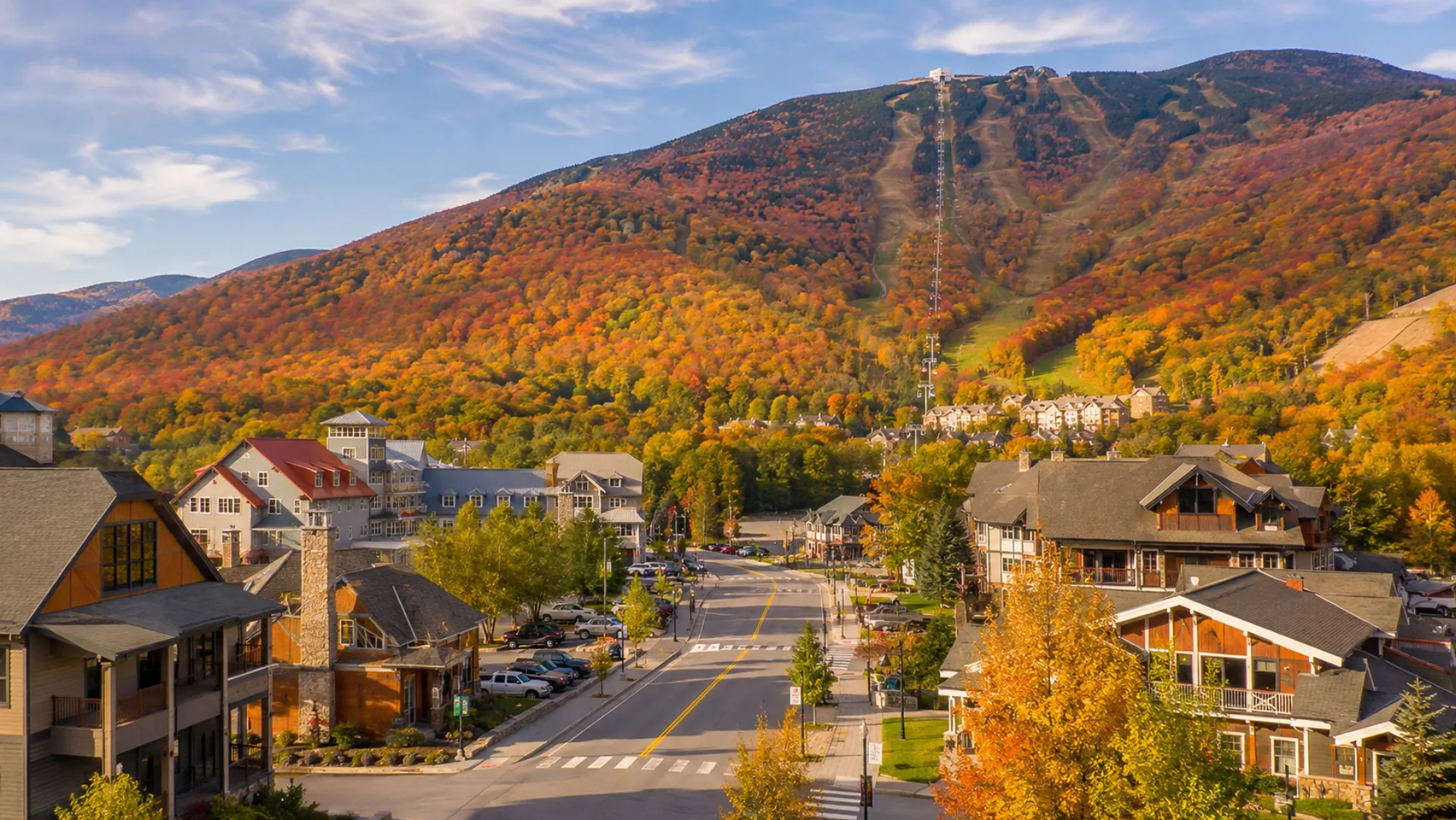
Where the Kancamagus Meets the Interstate
Twenty minutes up I-93 from our Campton office, the highway drops you at Exit 32 and Lincoln's Main Street runs east until it becomes the Kancamagus Highway. I'm up here constantly — showing condos near Loon, checking on properties whose owners live two states away, and answering the same Friday question from vacationing guests about what to do this weekend. I even wrote the guide many of those visitors read before they arrive. Lincoln and North Woodstock aren't a market I study from a distance; they're a market I drive, ski and sell.
For a seller, the headline is simple and enviable — no other corridor in the White Mountains puts this many motivated buyers physically in front of your property. A town of about 1,700 year-round residents hosts the region's biggest ski mountain, its most famous scenic drive and its deepest bench of restaurants and lodging, which means the people who will bid on your condo are already parking on your street every Saturday. The craft is converting that traffic into a closing, and it rewards an agent who knows which buildings buyers ask for by name.
So here is how we actually sell in this corridor — the live Lincoln numbers further down, our recent closings nearby, and plain answers to the questions Loon-area owners put to us, from mid-winter bookings to raw land off the Kanc.
Live Market Data
The Lincoln Market Right Now
For Sale in Lincoln — Live From the MLS
For-sale figures read the live MLS feed and change as homes come on and go under contract; sold figures are Owl's Nest Real Estate closings in Lincoln over the last 12 months.
Lincoln & Woodstock Local Knowledge
New Hampshire's Densest Ski-Condo Market
Loon Mountain sits three minutes east of downtown Lincoln, and it's a genuinely big mountain — the longest vertical drop in New Hampshire at 2,190 feet, spread across three peaks — with an Ikon Pass audience that refills the valley every weekend from November to April. The housing stock grew up to serve exactly that demand: no town in the region carries a higher concentration of condominiums, from slopeside associations at the mountain to the village clusters within a walk of Main Street's shops and breweries. Meanwhile the White Mountain National Forest presses against the town on nearly every side, so the corridor can't sprawl its way to new supply.
Two more forces keep buyers circulating past your door in the other seasons. The Kancamagus Highway — the Northeast's first National Scenic Byway, 34.5 unbroken miles of national forest to Conway — begins at the end of Main Street and pours leaf-peepers through town every fall. And Franconia Notch, with the Flume Gorge and the rest of the state park's headliners, starts ten minutes north. Boston is roughly two hours away. Put together, that's a four-season audience for a finite pool of homes — the structural setup every seller wishes for, and the reason this corridor's guest demand is the most proven in the Whites.
Lincoln & Woodstock Local Knowledge
Lincoln NH Real Estate Is Priced by the Building
In a market this condo-heavy, the town-wide median is close to useless for pricing any specific unit. What a Lincoln condo is worth depends on its association — the fee, what the fee funds, the rental policy, the shuttle or walk to the lifts, the last three closings on the same floor plan. Buyers here shop by building name before they shop by bedroom count, and two units of identical size a half mile apart can settle five figures apart because one association's package earns bookings the other can't. So that's where our pricing starts: the recent sales inside your own building and its true peers, not a valley-wide average.
The second pricing input is the one most listing agents in this corridor never collect — your rental record. Lincoln condos are bought with a spreadsheet open, and a documented history of gross income by season, occupancy, and the state rental-tax returns that back it turns your asking price from an opinion into an exhibit. We operate vacation rentals in this region ourselves, so we know what a well-run Loon-area calendar produces and can tell instantly when a listing's numbers will survive an investor's scrutiny. If your unit has never rented, we'll build the credible projection instead — in this town, even lifestyle buyers want to see what the weeks they won't use could earn.
Lincoln & Woodstock Local Knowledge
Lincoln Is the Resort and North Woodstock Is the Village
The twin towns function as one destination for visitors, but they are two different sales. Lincoln is the resort side — condo associations, walkable dining, the mountain at the end of the road — and its listings compete on rental performance and lift proximity. North Woodstock, the village at the mouth of Franconia Notch, trades that intensity for character: a Main Street of pubs and small shops anchored by the Woodstock Inn's brewery, the Ice Castles glowing through the winter, Lost River Gorge up Route 112, and a housing stock that leans toward single-family homes and cabins along the Pemigewasset instead of slopeside decks.
That difference decides how we market your property. A Woodstock house draws the buyer who wants Loon's access without living inside the resort machinery — often a year-round household or a second-home family that prefers a yard and a woodshed to an elevator — so we sell the village life and the quieter street, and we pull comps from the right side of the river. South of the village, the golf-resort condos at Jack O'Lantern Resort on the Woodstock–Thornton line add a third product entirely, with some of the friendliest entry prices of any resort community in the region. Same corridor, three distinct markets — and a mispriced listing usually means someone applied one market's logic to another's inventory.
Lincoln & Woodstock Local Knowledge
The Showing Calendar Runs on Ski Traffic
Selling here in winter has a rhythm no other town we work shares. On a peak Saturday the corridor is gloriously jammed — the exit ramp backs up, Main Street crawls, and your most likely buyers are all in town but standing in a lift line until mid-afternoon. So we build the showing plan around the reality: late-afternoon and après slots on weekends when buyers come off the hill, midweek appointments for the serious shoppers who plan trips around seeing property, and video walk-throughs for the Massachusetts households who decide which three units earn a drive north. A snow-covered listing photographed on a bluebird day does half the selling before anyone arrives.
Occupied rentals add the second layer. Many Lincoln condos are booked most winter weekends, which means showings thread between guest checkouts and check-ins — and done clumsily, that costs you either showings or reviews. We coordinate with the cleaning schedule, hold back a weekday window, and when the calendar is truly full, we let the bookings themselves make the argument while buyers tour on turnover days. It's ordinary logistics for a team that manages rental properties, and it's precisely the operational detail that separates a corridor listing run from nearby from one run from an hour away.
The Buyer Pool
The Buyers Arrive as Tourists First
Almost every buyer in this corridor met it through a windshield or a chairlift. Loon ski families are the backbone — households that rented a winter week, learned the mountain, and decided owning beats booking; they want walkability to dinner and the shortest possible morning to first chair. Boston and Massachusetts second-home buyers overlap heavily with them, drawn by a mountain town that sits about two hours up a single interstate, close enough that a Friday-night departure still means Saturday's first run. Short-term-rental investors are the third force, and the most analytical — they come to Lincoln specifically because its guest demand is the most proven in the White Mountains, and they underwrite listings building by building. And then there's the group unique to this town: Kancamagus and Franconia Notch visitors who came for foliage or the Flume, wandered Main Street afterward, and started browsing windows — tourists quietly converting into owners.
Reaching all four isn't a matter of one MLS entry. The ski family reads the trail map distance, the investor reads the ledger, the village buyer reads the porch, and the converted tourist needs to find your listing in the same searches that planned their vacation. We aim each listing at the pools it genuinely fits — and in this corridor, when a property speaks to two of them at once, the offers tend to arrive in plural.
What Is Your Lincoln or Woodstock Home Worth
Run an instant, comps-based estimate from live MLS sold data around the corridor — then we true it against your own building's closings and your rental record, the two inputs the algorithm can't see.
Selling a Lincoln & Woodstock home that earns rental income?
Our experience operating vacation rentals gives us a different perspective when evaluating potential rental properties.
Selling in Lincoln & Woodstock — Your Questions, Answered
What will buyers want from my condo association before they offer on my Loon-area unit?
Expect the association to be vetted as hard as the unit. New Hampshire's condominium statute guarantees your buyer the association paperwork and time to study it, and in this market the sharp ones read every page: the fee and exactly what it covers, the rental policy (minimum stays, caps, registration), pet and parking rules, reserve health, and any capital projects under discussion — ski-country buildings shoulder real snow-load and roof cycles, and buyers know it. We pull the package from your association at listing and answer the fee question inside the marketing itself, because in a building-by-building market the association file isn't paperwork, it's the product description.
My Lincoln condo is booked through the ski season. Does the buyer take over the reservations?
Only if the purchase contract says so — there's no automatic transfer. For an investor, inheriting a full winter calendar is the whole point, so we write the agreement to spell out which stays convey, how the deposits and prepaid nights already in your account get prorated at closing, and who handles the guests through the transition. One piece never conveys: the state treats the Meals and Rentals license as yours alone, and your buyer takes out a fresh one before charging tax on short-term stays. If your buyer wants the home empty instead, winding down a Loon-corridor calendar mid-season has real platform and review costs, and we plan the listing date around them rather than discovering them.
Who pays the transfer tax when we close on a Lincoln or Woodstock sale?
Both sides do, in equal halves. New Hampshire's RSA 78-B sets the real estate transfer tax at $1.50 per $100 of the price, with $0.75 per $100 falling to you as the seller — so closing on a $600,000 Loon-area condo means $4,500 against your proceeds, with the buyer matching it. The rate is statewide, so it's the same whether your deed says Lincoln or Woodstock, and neither town stacks a local transfer tax on top. The title company or closing attorney collects it at closing; the rest of a seller's cost picture is itemized in our closing-costs guide.
I own a slopeside townhouse in a resort community at Loon. What extra disclosure does that carry?
The resort layer sits on top of the standard NH seller disclosures, and it's where corridor deals wobble when it's handled late. Your buyer needs the full financial picture of what the address costs and delivers: association dues and any separate resort or amenity charges, precisely which access — pools, shuttles, ski storage, club facilities — actually runs with the deed versus what was a membership personal to you, the assessment history, and the association's rental rules if the buyer plans to book it. Amenity access that a listing implied but the documents don't support is a classic renegotiation trigger, so we verify what conveys in writing before the first showing, not after the inspection.
What should I know about selling raw land in Woodstock near the Kancamagus?
Buildable land is the scarcest product in this corridor — the national forest fixed the boundaries long ago — so a genuine lot near the Kanc or the Pemigewasset draws builders, future-cabin dreamers and short-term-rental developers all at once. What separates a strong land sale from a stalled one is the file: a survey or clear boundary evidence, documented legal access and any right-of-way in writing, driveway-permit feasibility on a state road, and septic test-pit results, since raw acreage sells on what a buyer can permit. If the parcel is enrolled in current use, the enrollment simply rides to the new owner; the land use change tax under RSA 79-A is only assessed if someone later pulls the land out to build, and our purchase contracts name which party carries that cost so it never surfaces as a closing-week surprise.
Is it better to list before ski season opens or during foliage?
For most Loon-corridor condos, the golden window is early fall through the first snow — investors and ski families want keys in hand before opening day, and a booking sheet stacking up December reservations is the strongest pricing evidence you can print. Foliage is its own opportunity: the Kancamagus delivers thousands of qualified second-home shoppers through town in late September and early October, and village homes in North Woodstock show at their absolute best against the color. Deep winter works for slopeside product if the showing logistics are managed well, while April — when the lifts stop and the summer attractions haven't opened — is the one stretch we rarely choose on purpose. The corridor sells year-round; the strategy is matching your particular property to its strongest backdrop.
Keep Exploring Lincoln & Woodstock
Lincoln & Woodstock for Buyers
Know the Corridor
Plan Your Sale
Ready-to-Sell Program
Preparing to Sell?
For qualifying listings, we help prepare your property for market — with a complimentary pre-listing home inspection and up to $2,500 in approved preparation expenses advanced upfront and reimbursed from your sale proceeds at closing.