Sell With Us
Sell Your Home in Rumney New Hampshire
Village homes, Stinson Lake camps and back-road acreage each need their own sale — we run all three from fifteen minutes down Route 25, with the climber and outdoor-buyer audience nobody else is marketing to.
What's Your Rumney Home Worth?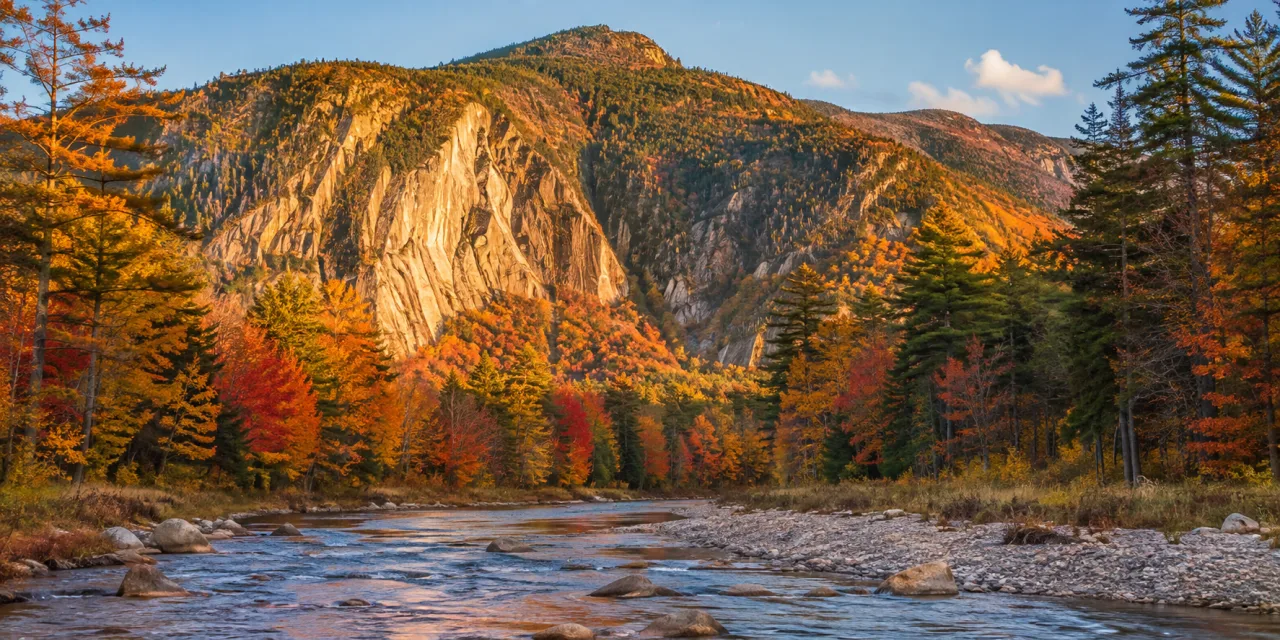
Selling in Rumney
The Town Where the Cliffs Do the Advertising
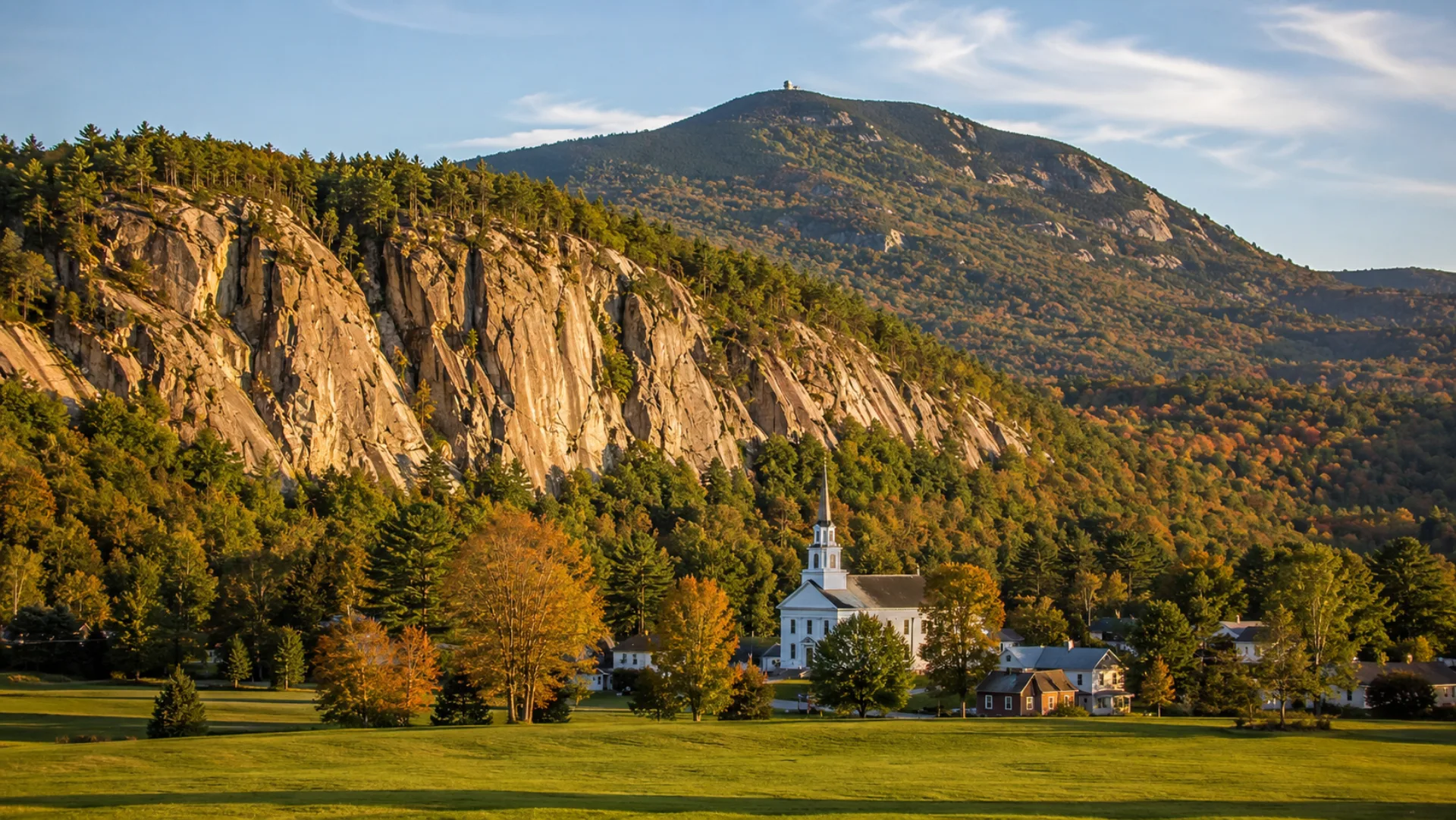
Drive Route 25 west out of Plymouth and in about ten miles the Baker River valley opens up, the cliffs rise above the treeline, and you're in Rumney — a compact Grafton County village that climbers across the country can point to on a map. Our Plymouth office sits fifteen minutes east, close enough that we cross the town line without thinking about it, and the properties we handle out here run from houses in the village to camps on Stinson Lake to land measured in double-digit acres.
Selling in a town this size is a different craft from selling in Plymouth or along the ski corridor. There's no steady stream of listings to benchmark against and no resort machine delivering buyers — what Rumney has instead is a name that travels. Rumney Rocks put this village in climbing guidebooks nationwide, Stinson Lake holds a following that waits years for a camp to surface, and the acreage draws buyers the interstate towns squeezed out long ago.
This page lays out how we handle a Rumney sale — live market numbers below when the data supports them, our closings in the area, and straight answers to what Rumney owners ask us, from pricing without comps to what a climbing economy is genuinely worth to a listing.
Live Market Data
The Rumney Market Right Now
For Sale in Rumney — Live From the MLS
For-sale figures read the live MLS feed and change as homes come on and go under contract; sold figures are Owl's Nest Real Estate closings in Rumney over the last 12 months.
Rumney Local Knowledge
A Small Village With a National Reputation
Rumney runs along Route 25 and the Baker River about ten miles west of Plymouth, a straight shot off I-93's Exit 26, its village center just off the highway with West Rumney and the Depot strung further along the valley. The reputation, though, hangs on the cliffs: the schist walls on Rattlesnake Mountain carry hundreds of bolted climbing routes, from lines a first-timer can follow to some of the hardest grades in the country, on national forest land where a modest day-use parking fee keeps the trails maintained. On a fair-weather weekend the parking areas fill with out-of-state plates — and a share of those visitors eventually start wondering what houses cost here.
The rest of the town's appeal is quieter. Follow Stinson Lake Road a few miles uphill and Stinson Lake sits at the national forest boundary, with a general store and a shore of camps that rarely change hands; the Stinson Mountain trail climbs from there to a onetime fire-tower summit that looks a long way south. Quincy Bog's boardwalk loop draws birders on slow mornings, Polar Caves has walked families through its glacial boulder caves for a century, and the Baker River supplies the swimming holes. Plymouth — with the hospital, the university and the everyday shopping — is fifteen minutes east, and Boston sits a couple of hours south on the interstate. It adds up to a town people move to on purpose, and that intentionality shapes who shows up when a home here gets listed.
Rumney Local Knowledge
Rumney NH Real Estate Follows Three Roads
The simplest way to understand this market is by the road a property sits on. Along Route 25 and the village streets are the everyday homes — bought by people who work in Plymouth, want a real town around them, and take the cliffs and the river as a bonus. Up Stinson Lake Road the product changes completely: lake camps and hillside places bought for summers, held for decades, and sold as often through a neighbor's phone call as through a listing portal. And out on the back roads is the third Rumney — woodlots, old farmland and buildable parcels in sizes that have vanished from the interstate corridor towns.
Those aren't three price points of one product; they're three different products with three different buyers, and each gets marketed on its own terms. A village house sells on condition, drive time and the life of the town around it. A Stinson camp sells on the water, the history and the scarcity — with its seasonal realities documented rather than glossed over. Land sells on its possibilities — access, soils, survey, and whether the current-use paperwork is in order. When one listing approach gets applied to all three, at least one seller gets shortchanged — usually the one whose property was rarest.
Rumney Local Knowledge
Thin Comps Are a Reason to Hire Local, Not to Guess
Here's the honest part: Rumney doesn't produce many closings in a year, and the ones it does produce scatter across those three markets. An algorithm hunting for a dozen nearby comparables will quietly borrow from Plymouth's in-town sales or Campton's ski trade and hand you a number built on the wrong town. Pricing here is slower, more manual work — finding the handful of genuinely similar transactions across the Baker River valley, reaching further back in time than a busy market would need, and adjusting for land, water and condition along the same lines an appraiser must later defend. We show sellers the whole worksheet, including where the evidence runs thin, because a price you understand is a price you can hold.
The flip side of a thin market is that patience gets paid. A Rumney listing doesn't need a hundred showings; it needs the right eight — and because inventory is scarce, the households set on this town in particular have usually been waiting for it. We would rather set an evidence-backed number and hold it through a quiet first month than start high, chase the market down, and teach every watching buyer that the price is soft. In a town where everyone sees every listing, the listing history follows the house.
Rumney Local Knowledge
The Climbing Economy Is a Listing Asset
No other town we sell in has Rumney's particular audience: people who already spend twenty weekends a year here and sleep somewhere else. Climbers plan trips around these cliffs the way golfers plan around a course, and the ones who tire of driving north start browsing listings — often for exactly the modest village house or cabin other markets overlook. When we list a Rumney home, that audience is part of the plan: photography that places the property in the valley it belongs to, copy that answers what an outdoor buyer actually asks — how far to the crags, where the trailheads are, what winter access looks like — and placement where those buyers already spend their attention.
On rental income, we'll be straight with you. Rumney sees genuine visitor traffic through the climbing seasons, but this is not a resort rental corridor and we won't dress it up as one. If your home has hosted paying guests, we present the record as it stands; if you're curious what the house could do, run it through the rental analysis further down this page — you'll get a grounded answer either way. A defensible number beats an exciting one — true of rent projections exactly the way it's true of asking prices.
The Buyer Pool
The People Who Search for Rumney by Name
Four searches converge on this town. Climbers and outdoor athletes come first — buyers for whom Rumney is the destination rather than the compromise, hunting a base within minutes of the crags and the national forest. Stinson Lake families come second, often after years of waiting: many grew up in a camp on that shore or rented near it, and they buy on continuity more than square footage. Acreage and homestead buyers are the third stream, drawn by parcel sizes the busier corridors lost long ago, with the land itself as the point. And Plymouth's workforce rounds it out — people on the hospital, university and downtown payrolls who found that fifteen minutes of Route 25 trades campus bustle for a quiet valley road and more elbow room.
The match between property and pool decides the marketing. The climber wants the location told in minutes-to-the-cliffs; the camp buyer wants the story and the water; the land buyer wants the file — survey, access, soils, current use; the commuter wants the drive and the everyday logistics. Our first job with any Rumney listing is naming which of the four it truly serves, then building the photography, the copy and the outreach for that buyer instead of a generic one.
What Is Your Rumney Home Worth
An instant estimate from recorded sales around Rumney is the starting point — in a town with this little turnover, the hand-done adjustment afterward is where the real number lives.
Selling a Rumney home that earns rental income?
Our experience operating vacation rentals gives us a different perspective when evaluating potential rental properties.
Selling in Rumney — Your Questions, Answered
How do you price a Rumney home when hardly anything else has sold recently?
By widening the evidence thoughtfully instead of guessing. We assemble every genuinely comparable closing across Rumney and the neighboring Baker River valley towns, extend the lookback window where a busy market wouldn't need to, and adjust each sale for land, water and condition in a way we can defend line by line when the buyer's appraisal comes. Then we pressure-test the result against what's currently listed and what recently failed to sell — the market's two loudest opinions. You'll see the full worksheet, thin spots included, because a number you understand is one you can hold with confidence when an early offer comes in low.
How do I sell a Stinson Lake camp that was never winterized?
Describe exactly what kind of camp it is, in writing, before anyone falls in love with it. That means stating plainly whether the place is insulated and heated for year-round living or built for the warm months, what the water supply is and when it runs, how the waste system is set up, and what happens to access once snow flies — who plows, or whether anyone does. None of this scares off camp buyers; they expect it, and most are comparing your candor against listings that made them guess. What does hurt a sale is a buyer discovering in November what the listing never said in June. We walk the property with you and turn its seasonal facts into a clean disclosure package before the first showing.
How much will New Hampshire's transfer tax cost on my Rumney sale?
Figure on seventy-five cents for every hundred dollars of your sale price — that's the seller's share under RSA 78-B, which sets the transfer tax at a dollar fifty per hundred and splits it between the parties. A Rumney home closing at $320,000 leaves $2,400 to come out of your proceeds at recording, with the buyer covering a matching $2,400. Rumney levies nothing extra of its own on transfers. It's one item on a short list of predictable seller costs, and we run the complete estimate with you before you settle on an asking price.
I'm selling Rumney acreage that's taxed under current use. How does that work for the buyer?
Smoothly, in most sales. Current use is New Hampshire's reduced assessment for qualifying open land under RSA 79-A, and a sale by itself changes nothing — the new owner steps into the program and keeps the lower tax bill for as long as the land stays undeveloped. The statute's 10 percent charge applies only at the moment acreage is withdrawn, generally to build on it, and it lands on whoever owns the parcel that day. So the contract question we settle early is simple: does your buyer mean to keep the land as it is, or develop it — and if development is the plan, the agreement should name which party absorbs that assessment. Serious land shoppers researching NH rules end up in our buying-land guide, which is precisely the audience we put Rumney parcels in front of.
Will the well and septic slow down my rural Rumney sale?
Only if they're treated as an afterthought. Nearly every home out here runs on its own systems, buyers know it, and the routine is well established: the state's disclosure form has you describe, in writing, whatever you know firsthand about the water supply and the waste system (that duty comes from RSA 477:4-c), and the buyer's homework will usually add a lab test of the well and a look inside the septic on top. Where sellers get in trouble is age plus silence — a decades-old leach field nobody has examined becomes a negotiation grenade in week three. Our standing advice on older systems is to buy the information early: a pre-listing pump-out and inspection costs a few hundred dollars, and whatever it finds, you'd rather negotiate from knowledge in April than from a buyer's report in October.
Does the climbing crowd really buy homes, or just visit and leave?
They buy. The pattern is familiar by now: someone spends seasons making the drive to the cliffs, starts stretching weekends, and eventually decides owning a base beats commuting to one. Those buyers are unusually decisive because they already know the town — they aren't evaluating Rumney, they're waiting for the right property in it. Reaching them isn't billboards at the trailhead; it's listing copy and photos that speak their language, accurate drive-and-walk times to the places they care about, and agents who can answer their questions about the area without a script. A niche audience that already loves your town is the cheapest marketing advantage a seller can have, and most listings here never use it.
Keep Exploring Rumney
Rumney for Buyers
Know the Territory
Plan Your Sale
Ready-to-Sell Program
Preparing to Sell?
For qualifying listings, we help prepare your property for market — with a complimentary pre-listing home inspection and up to $2,500 in approved preparation expenses advanced upfront and reimbursed from your sale proceeds at closing.