Sellers
The New Hampshire Home Seller Guide 2026
Selling in the White Mountains, Pemi Valley, or Lakes Region — how it really works, from a brokerage that lives here.
Selling in NH
A Market Unlike Anywhere Else
Selling a house in New Hampshire’s mountain and lake country is not like selling in a subdivision. Your buyer pool includes skiers, lake families, and second-home shoppers from across New England; your comps might sit in a different town with a different tax rate; and the calendar — ski season, lake season, foliage — shapes when buyers show up ready to write.
The fundamentals still decide the outcome: honest pricing, real preparation, disclosure done right, and marketing that reaches the buyers who want exactly what you own. This guide walks the whole road, and every step links to a deeper resource when you want the detail.
Prefer to start with a number? Request a free home valuation and we’ll prepare a professional market analysis for your property.
The Selling Process
From First Conversation to Closing
Every sale is different, but the road map is the same. Here’s how selling a house in New Hampshire works, step by step — including the local conventions worth knowing: written disclosures before the purchase and sale agreement, earnest money held in escrow, and closings handled by title companies or attorneys.
Define Your Goals & Timing
Start with the why and the when: relocating, downsizing, settling an estate, or letting go of a second home. In New Hampshire the calendar matters — May listings tend to sell fastest and June and July command the strongest prices, while ski condos and lake houses each have their own season. Your goals set the strategy.
Price It Right From Day One
Online estimates struggle in mountain and lake markets, where two similar homes a mile apart can sit in different towns, tax rates, and view corridors. We build your price from a professional comparative market analysis — real local comps and current buyer behavior, not an algorithm. Homes priced right at launch sell faster and net more.
Prepare the Property
Small investments before listing — repairs, paint, staging, photography-ready presentation — consistently outperform price cuts after. For qualifying listings, our Ready-to-Sell Program advances up to $2,500 in approved preparation costs and includes a complimentary pre-listing home inspection, reimbursed from proceeds at closing.
Complete Your Disclosures
New Hampshire sellers must disclose the condition of private water systems, septic systems, and insulation in writing (RSA 477:4-c and 4-d) — and under RSA 477:4-a, as amended effective January 1, 2025, buyers must also receive notifications covering radon, arsenic, lead, PFAS, and federally designated flood hazard zones before a purchase and sale agreement is signed. We prepare these with you, correctly.
Launch the Marketing
Professional photography, drone and cinematic video, targeted social and email campaigns, and premium listing presentation across the MLS and every major portal. Our resort-area buyer network — skiers, lake buyers, and second-home shoppers from across New England — sees your property the week it launches.
Showings & Offers
We manage showings around your life and screen every offer on more than price: financing strength, deposit size, contingencies, and timeline. In multiple-offer situations we run a clear, fair process designed to surface the strongest complete offer — the one that closes, not just the one that looks best on paper.
Under Agreement
Once the purchase and sale agreement is signed, the buyer's earnest money is held in escrow and their due-diligence clock starts: home inspection plus the NH-specific checks — well water, septic, radon — and the lender's appraisal. We negotiate any findings and keep every deadline moving toward closing.
Closing Day
In New Hampshire, closings are commonly handled by a title company or closing attorney. You'll pay the seller's share of the Real Estate Transfer Tax — $0.75 per $100 of the sale price under RSA 78-B — plus your closing costs; the deed is recorded at the county registry and your proceeds are wired. Congratulations, it's sold.
Know the Rules
What NH Law Requires You to Disclose
New Hampshire is a limited-disclosure state — but the items it does require are specific, and the list grew in 2025. Here’s what buyers must receive before a purchase and sale agreement is signed. We prepare all of it with you.
RSA 477:4-c & 4-d
Water, Septic & Insulation
New Hampshire law requires written disclosure of the property's private water supply and private sewage disposal system (RSA 477:4-c) and its insulation (RSA 477:4-d) before a purchase and sale agreement is executed. If you don't know the answer to an item, the statute lets you say exactly that — in writing.
RSA 477:4-a
Radon, Arsenic & Lead Notices
Buyers must receive New Hampshire's standard notifications about radon and arsenic — both occur naturally in the state's bedrock — and lead hazards. For homes built before 1978, the federal lead-based paint disclosure and pamphlet apply on top of the state notice.
New in 2025
PFAS & Flood Hazard Notices
Effective January 1, 2025, HB 398 amended RSA 477:4-a so the required pre-contract notifications also cover PFAS contamination and whether the property sits in a federally designated flood hazard zone. Many online guides still miss these — your disclosure package here is current.
Customary
The Property Disclosure Form
Beyond the statutory items, New Hampshire practice is a completed property disclosure form covering systems, history, and known issues. Honest, thorough disclosure isn't just ethics — it's the seller's best protection against post-closing misrepresentation claims.
Rural & Waterfront
Wells, Septic & Shoreland
In our markets, buyers will test the well, inspect the septic system (and compare its capacity to the bedroom count), and review shoreland permits on waterfront property. Getting ahead of these with records and a pre-listing inspection prevents renegotiation later.
Good Practice
When in Doubt, Disclose
New Hampshire is a limited-disclosure state, but sellers remain liable for misrepresentation. The winning strategy is simple: disclose what you know, document what you've repaired, and let the property's condition be priced in once — at listing, not at the closing table.
Plan Ahead
What It Costs to Sell
No surprises at the closing table. These are the costs New Hampshire sellers should have on their radar from the first pricing conversation.
Paid by Buyer and Seller
Real Estate Transfer Tax
New Hampshire's Real Estate Transfer Tax (RSA 78-B) is $0.75 per $100 of the sale price, paid by each of the seller and the buyer — $1.50 per $100 combined. On a $535,000 sale, the seller's share is about $4,013, collected at closing when the deed is recorded.
Budget Ahead
Typical Seller Closing Costs
Beyond commission, non-commission seller costs in New Hampshire typically run in the low single digits as a percentage of price:
- Real estate commission (negotiable)
- Transfer tax ($0.75 per $100)
- Prorated property taxes
- Closing attorney or settlement fee
- Mortgage payoff & discharge recording
- Deed preparation & recording
No NH Tax on the Gain
Taxes on Your Sale Proceeds
New Hampshire has no state income tax on capital gains from a home sale. Federal rules still apply — a primary residence you owned and occupied for two of the last five years qualifies for the Section 121 exclusion (IRC §121) of $250,000 (single) / $500,000 (married filing jointly) of gain. Second homes work differently, so plan with a CPA before you list.
Market Rhythm
Timing a Sale in a Seasonal Market
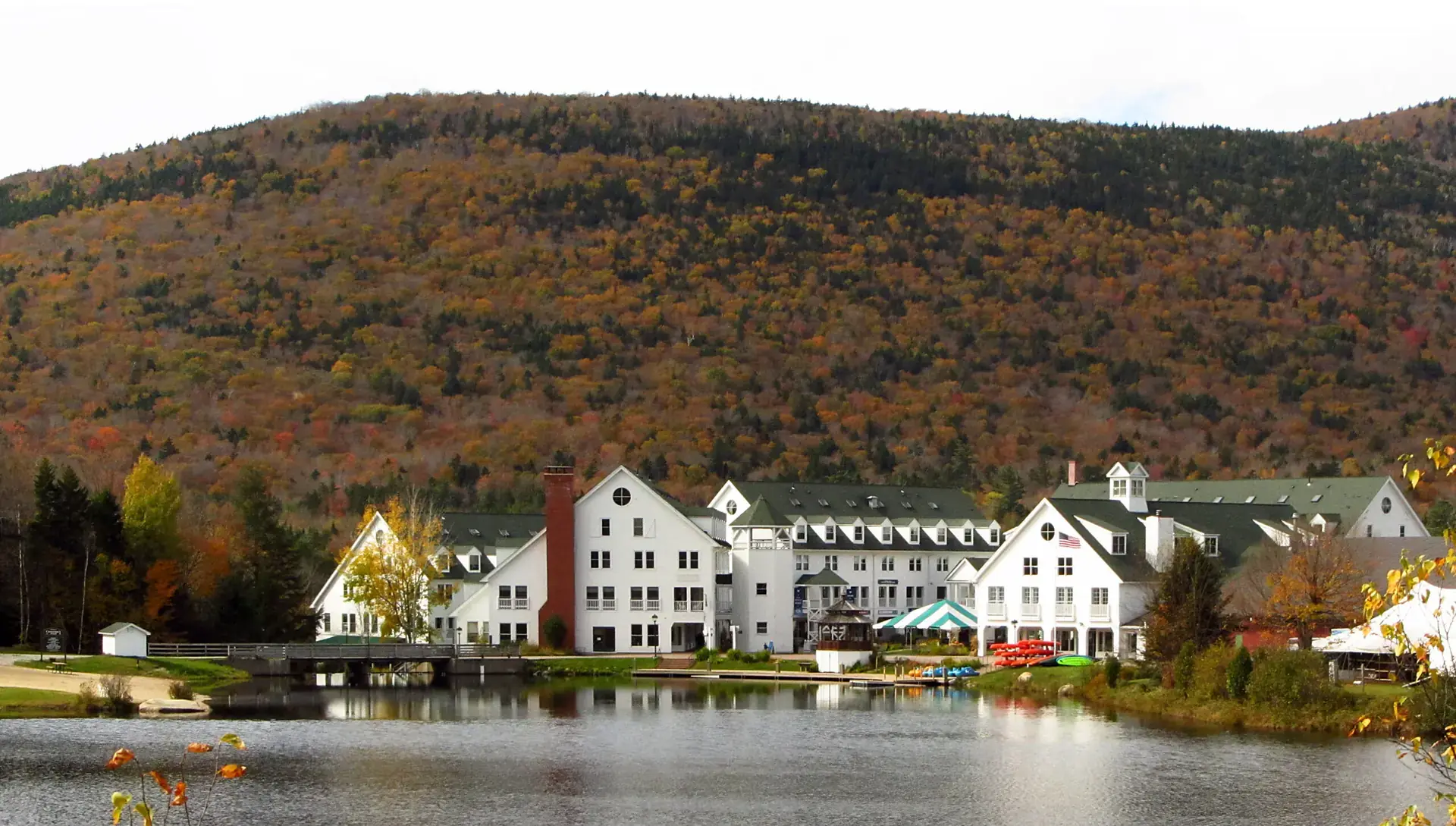
Statewide, May listings tend to sell fastest and June and July sales bring the strongest prices. But our towns keep their own calendars: lake houses show best from late spring through summer, ski condos find their buyers as winter approaches, and foliage season delivers a reliable second wave of serious shoppers every fall.
Vacation-market towns like Waterville Valley, Lincoln, and the Lakes Region move to those rhythms; primary-home towns like Plymouth and Campton track school calendars and job moves. Matching your launch to your property’s season is free money — and it’s local knowledge, not a formula.
The month-by-month detail is in our guide to the best time to sell a house in New Hampshire, and the current numbers are in our 2026 NH housing market report.
Second Homes & Waterfront
Selling a Lake House or Ski Condo
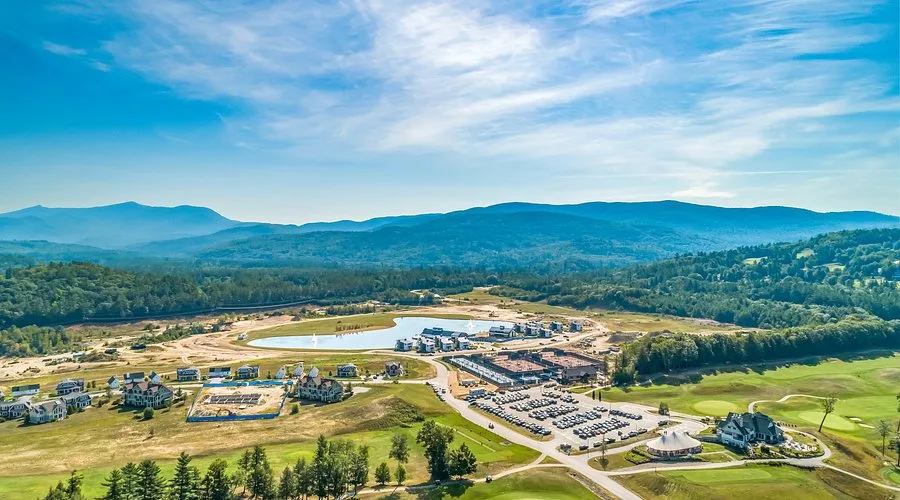
Much of our market is vacation property, and selling one is its own discipline: federal capital gains rules differ from a primary residence, buyers arrive from out of state, and waterfront diligence — septic capacity, shoreland rules, dock rights — can make or break a closing.
We sell these properties every week, and we wrote the guide we wish every second-home owner read first: Selling a Lake House or Second Home in New Hampshire.
Inherited a property here? Our guide to selling an inherited house in New Hampshire covers probate, the stepped-up basis, and how we help out-of-state heirs handle everything locally.
Seller Guides
New Hampshire Seller Guides by Town and Topic
Closing costs, timing, pricing and the town-by-town realities of selling here. Every seller guide we publish lands on this page.
September 14, 2026 · Seller Guides
Selling a House in Campton NH: The 2026 Seller's Guide
Selling a house in Campton NH in 2026 — who is buying, why the town sells at two speeds, the Waterville Estates paperwork, selling a home with Airbnb income, pricing bands, prep, the ski-and-foliage calendar, seller costs and choosing a Campton listing agent.
September 14, 2026 · Seller Guides
Selling a House in Plymouth NH: The 2026 Seller's Guide
Selling a house in Plymouth NH in 2026 — the four buyer pools, what sells fast and what sits, how Plymouth homes are priced, well and septic prep, the university calendar, selling a student rental, closing costs and choosing a listing agent.

August 27, 2026 · Seller Guides
Choosing a Listing Agent for Your Home Sale in New Hampshire
What a listing agent actually does, what one costs in New Hampshire, how to choose the right one for your home sale — and the red flags that cost sellers real money.
August 27, 2026 · Seller Guides
How to Sell a Rental Property in New Hampshire
Selling a rental property in New Hampshire, decision by decision — tenant-occupied vs. vacant, lease and notice timing, preparing a long-held rental for market, depreciation recapture and 1031 basics, and how the sale itself differs from an owner-occupied listing.
July 27, 2026 · Seller Guides
How to Sell a House in New Hampshire in 2026: A 10-Step Local Playbook
The complete local playbook for selling a house in New Hampshire in 2026 — pricing in a normalizing market, the new PFAS and flood disclosures under RSA 477:4-a, well and septic diligence, transfer tax math under RSA 78-B, and what happens at every step from listing to closing.
July 24, 2026 · Seller Guides
New Hampshire Housing Market Forecast 2026: Prices, Inventory and What Comes Next
The New Hampshire housing market forecast for 2026 — a $533,106 statewide median (+2.9%), about 45 days on market and 1.4 months of supply — with region-by-region outlooks for the Lakes Region, Waterville Valley, Plymouth and the White Mountains, and what it means for sellers and buyers.
July 22, 2026 · Seller Guides
Selling an Inherited House in New Hampshire: Probate, Taxes, and Timeline
A caring, local guide to selling an inherited New Hampshire home: securing the property, the probate sequence step by step, who has authority to sell, why stepped-up basis usually erases the tax bill, and how out-of-state heirs handle it all from a distance.
July 20, 2026 · Seller Guides
Seller Closing Costs in New Hampshire (2026): What You'll Actually Pay
A line-by-line look at seller closing costs in New Hampshire — transfer tax, prorated property taxes, title and attorney fees, and commission — with worked examples at $400K, $535K, and $750K and a who-pays table.

July 17, 2026 · Seller Guides
Selling a Lake House or Second Home in New Hampshire: Taxes, Timing & Buyers
Selling a second home in New Hampshire is a different transaction: no primary-residence tax exclusion, waterfront diligence buyers will actually do, a proposed second-home surcharge in the news, and a buyer pool that mostly lives out of state. Here's the full seller-side picture.
July 15, 2026 · Seller Guides
New Hampshire Seller Disclosure Requirements (2026): What You Must Tell Buyers
New Hampshire is a limited-disclosure state — but statute still requires specific items in writing, and the list grew in 2025 to include PFAS and flood hazard notifications most online guides still miss. What sellers must disclose, statute by statute, and why telling more protects you.

July 13, 2026 · Seller Guides
Capital Gains Tax When Selling a Home in New Hampshire: 2026 Rules
New Hampshire has no state capital gains tax on your home sale — but federal rules still apply. The §121 exclusion with worked examples, basis and improvements, second homes and ski condos, and inherited property.
July 10, 2026 · Seller Guides
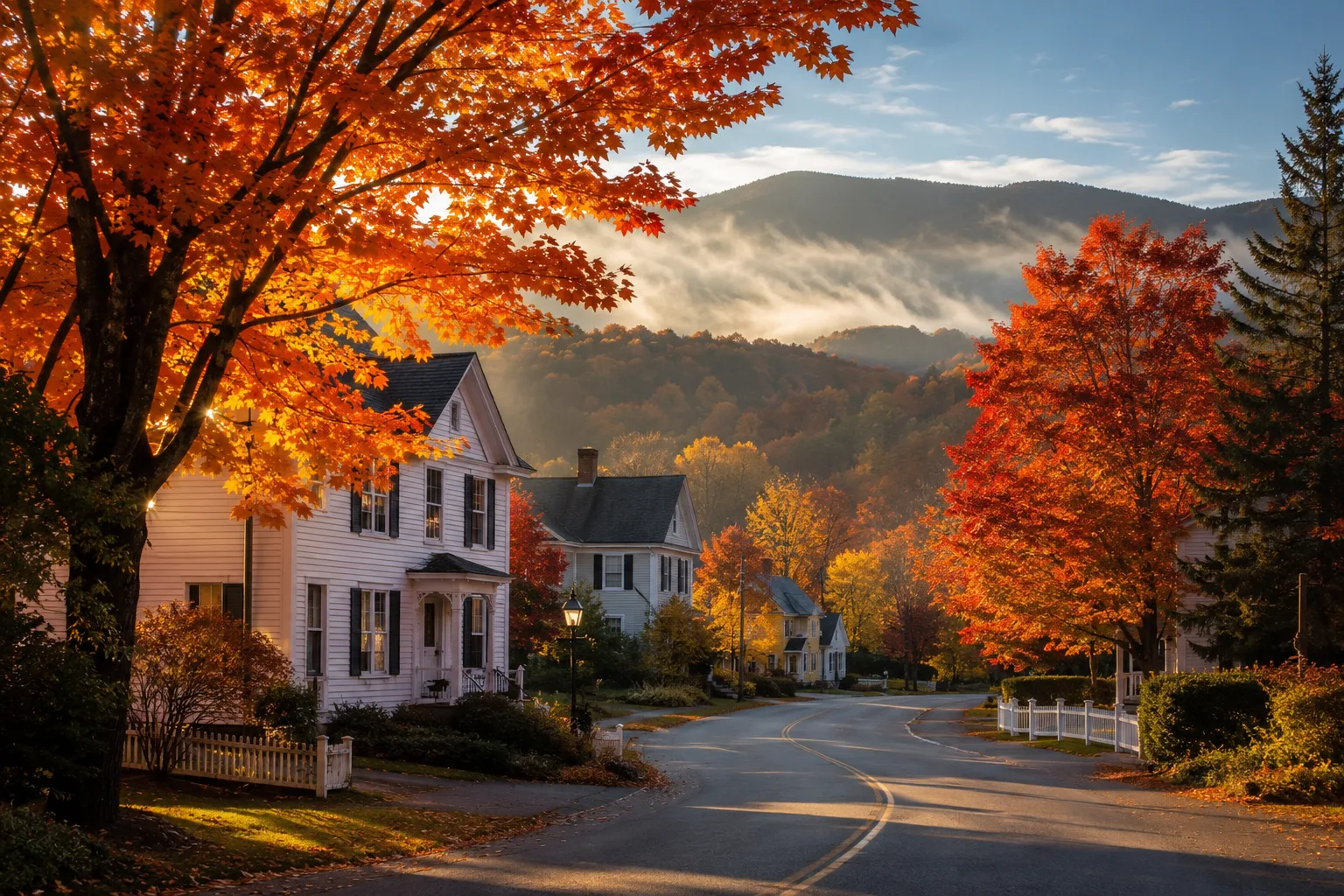
The Best Time to Sell a House in New Hampshire, Month by Month
May sells fastest, June and July sell highest — but ski condos, lake houses, and foliage-season buyers all run on their own clocks. The month-by-month NH selling calendar, from a team that lists in every season.
July 8, 2026 · Seller Guides
How to Sell Your House Fast in New Hampshire (Without a Lowball Cash Offer)
Need to sell fast? What NH cash buyers really pay — with the full ARV math on a $450k home — how to vet a cash buyer before you sign, and how the right price, prep, and marketing sell a house in weeks at market value instead.
July 6, 2026 · Seller Guides
For Sale By Owner in New Hampshire: What FSBO Really Saves (2026)
An honest look at how to sell a house by owner in New Hampshire: every step from pricing to the P&S, the full paperwork stack, the 2025 disclosure changes, what FSBO actually saves after the price gap — and when going solo genuinely makes sense.
Before You List
Get Your Home Market-Ready — Without Paying Upfront
For qualifying listings, our Ready-to-Sell Program advances up to $2,500 in approved preparation expenses and includes a complimentary pre-listing home inspection — reimbursed from your sale proceeds at closing. Preparation consistently returns more than it costs.
Frequently Asked Questions
How much does it cost to sell a house in New Hampshire?
Plan for the real estate commission (negotiable, historically in the 5–6% range total) plus non-commission closing costs that typically land in the low single digits as a percentage of price: the seller's $0.75-per-$100 share of the transfer tax (RSA 78-B), prorated property taxes, attorney or settlement fees, and recording charges.
For the full line-item breakdown with a worked example, see our guide to seller closing costs in New Hampshire.
Do I pay capital gains tax when selling my home in New Hampshire?
Not to the state — New Hampshire has no income tax on capital gains, and the old Interest & Dividends tax was fully repealed effective January 1, 2025. Federal tax can still apply, but a primary residence you owned and occupied for two of the last five years qualifies for the Section 121 exclusion (IRC §121) of $250,000 (single) or $500,000 (married filing jointly) of gain.
Second homes and ski condos follow different rules — our NH capital gains guide covers both, with worked examples.
What do I legally have to disclose when selling a house in NH?
New Hampshire requires written disclosure of the private water system, septic system, and insulation (RSA 477:4-c and 4-d), plus pre-contract notifications covering radon, arsenic, lead, PFAS, and federally designated flood hazard zones (RSA 477:4-a) — the PFAS and flood items were added by HB 398, effective January 1, 2025. Homes built before 1978 also carry the federal lead-paint disclosure.
The details, statute by statute, are in our NH seller disclosure guide.
How long does it take to sell a house in New Hampshire?
Statewide, the median is roughly a month and a half on market before going under agreement, plus 30–45 days from accepted offer to closing for a financed buyer. Well-priced homes move much faster — in the Lakes Region, the median was around two weeks on market in the first half of 2026.
Pricing correctly at launch is the single biggest factor — overpriced listings sit, then chase the market down with cuts. For current conditions, see our 2026 NH housing market report.
When is the best time to sell in New Hampshire?
For most homes: list in late spring. May listings tend to sell fastest and June–July sales command the strongest prices. But our markets have their own seasons — ski condos show best as winter approaches, lake houses in late spring and summer, and foliage season brings a reliable second wave of buyers.
Our month-by-month timing guide breaks it down by property type.
Should I make repairs before listing?
Usually yes — targeted preparation consistently returns more than it costs, and a pre-listing inspection removes the surprises that kill deals during the buyer’s due-diligence window.
For qualifying listings, our Ready-to-Sell Program advances up to $2,500 in approved preparation costs and includes a complimentary pre-listing home inspection, reimbursed from your proceeds at closing.
How can I sell my house fast in New Hampshire?
The honest levers are pricing at — or just under — market value, preparing the home so nothing stalls the buyer's due diligence, and launching in your property's season with strong photography. A pre-listing inspection removes the surprises that most often blow up timelines.
If speed matters more than the last dollar — a job move, an estate, a house you can’t keep maintaining — our guide to selling your house fast in New Hampshire compares the realistic options, including what cash buyers actually offer.
Can I sell my house without a realtor in New Hampshire?
Legally, yes — no statute requires an agent. You’ll still owe the disclosures, the transfer tax, and the closing logistics, and national data consistently shows for-sale-by-owner homes selling for meaningfully less than agent-listed homes.
We wrote an honest breakdown of when FSBO makes sense — and when it doesn’t — in our For Sale By Owner in New Hampshire guide.
Do I need an attorney to sell my house in New Hampshire?
No law requires one — New Hampshire closings are commonly handled by a title company or a closing attorney, and the deed itself is typically prepared by an attorney as part of the closing. Many sellers never separately hire counsel.
Consider one for estates and trusts, divorces, boundary or easement disputes, or a sale with unusual terms. For how a standard sale runs beginning to end, start with our complete guide to selling a house in New Hampshire.
What taxes do I pay when selling a lake house or second home in NH?
New Hampshire itself won't tax the gain — the state has no capital gains tax. Federally, though, a second home doesn't qualify for the Section 121 primary-residence exclusion, so capital gains tax applies to the full gain, and if you've rented the property, depreciation recapture applies too. Some owners defer the gain with a 1031 exchange when the property was held for investment — plan with a CPA before you list.
Selling waterfront adds its own diligence — septic capacity versus bedroom count, shoreland permits, dock rights. Our guide to selling a lake house or second home in New Hampshire covers the taxes and the waterfront checklist in one place. And because our team also operates local vacation rentals, we know exactly how second-home buyers evaluate these properties.
How do I sell an inherited house in New Hampshire?
Usually the estate must pass through the county probate division before the property can be sold, unless it was held in a trust or with survivorship rights. The tax news is good: New Hampshire has no estate or inheritance tax, and heirs receive a stepped-up basis — the property's value resets to its date-of-death market value, which often wipes out most of the taxable gain.
Many heirs manage this from out of state. Our guide to selling an inherited house in New Hampshire walks through probate, the stepped-up basis, and how we handle the local legwork — cleanouts, contractors, showings — for heirs who can’t be here.
What is my home worth right now?
Online estimates are a starting point, but they miss what drives value in mountain and lake markets: the town line, the tax rate, the view, the water frontage, the association. A professional comparative market analysis reads those factors from real local sales — and our team, led by broker and owner Tom DeMatteo, works from offices in Campton (399 NH Route 49) and Plymouth (56 Main St), so the comps we pull are streets we know.
Request a free home valuation and we’ll prepare one for your property — no obligation.
Find Out What Your Home Is Really Worth
Tell us about your property and a local expert will prepare your market valuation.