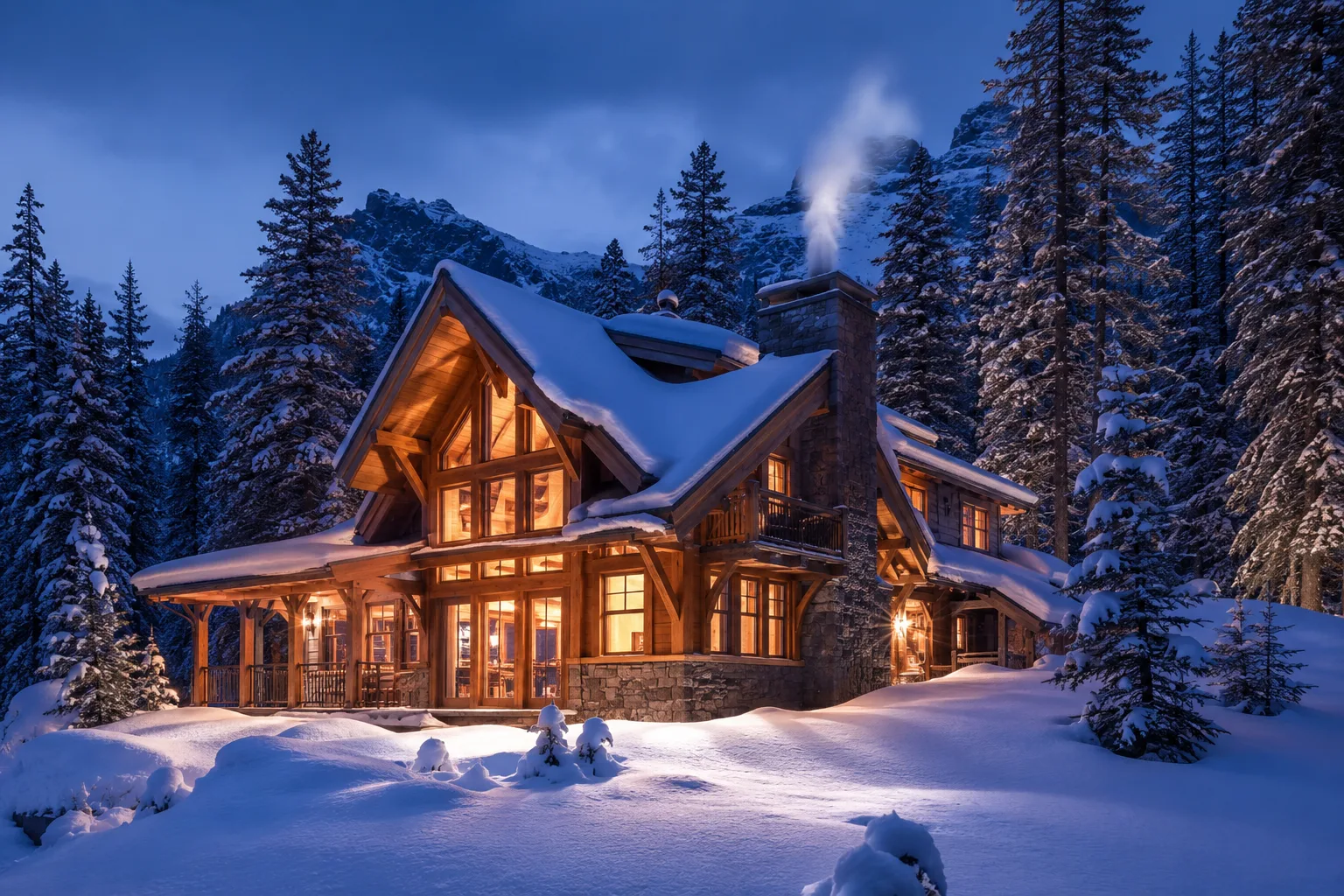

Buying a second home in the White Mountains of New Hampshire puts ski-and-hiking country about two hours from Boston up I-93, in a state with no income or sales tax. The trade-off is carrying a house that sits empty most nights: property tax that varies by town, winter heat, plowing, insurance and freeze protection.
Nearly every second home here gets bought after one great weekend — a powder day at Waterville Valley or Loon, an afternoon in a swimming hole on the Mad River, a foliage drive that looked retouched — and somewhere on the ride south down I-93, someone finally says it out loud: what if we had a place up here? It's a reasonable question. The towns at the mountains' feet are genuine year-round communities, and New Hampshire's tax structure is famously friendly to people who earn their living somewhere else. But a second home is not a hotel you happen to own, and the owners who love theirs most are the ones who understood the logistics before they wired the deposit.
This guide comes from a brokerage that lives here and works with White Mountains second-home owners every week — the same checklists get run on the team's own houses. This is the honest version of what ownership is really like.
In this article
- Second-home ownership at a glance
- The two-hour rule
- A year of actual use
- What it really costs to carry
- Freeze protection is not optional
- The unglamorous stuff nobody mentions
- Insuring a house you don't live in
- The New Hampshire tax picture
- Owning with the eventual sale in mind
- Lock-and-leave, or the whole checklist?
- When you're not there: renting, carefully
- After the closing, you're not on your own
- Frequently asked questions
Key takeaways
- The drive is the whole ballgame: the roughly two-hour run from Boston up I-93 is what turns a White Mountains house into one you actually use twenty-five weekends a year instead of eight.
- Budget the carrying costs as line items — property taxes, heat, plowing, insurance, house checks, and association dues — and treat "it varies" as the honest starting point, because the town line and the driveway change every number.
- Freeze protection is the cheapest insurance you will ever buy: maintained heat, remote temperature alerts, and the habit of shutting off the water main every time you leave.
- The condo-versus-single-family decision is really a decision about your weekends — a monthly fee that buys lock-and-leave simplicity, or a longer checklist that buys land, privacy, and space.
- Think like a future seller from day one: keep records of every improvement, because a second home gets no primary-residence capital gains exclusion when you eventually sell.
Second-home ownership at a glance
| Drive from Boston | About 2 hours via I-93 to Campton, Thornton, and Waterville Valley (Exits 27–28); Lincoln and Loon Mountain are a few minutes farther north at Exit 32 |
|---|---|
| The seasons you'll use | Ski weekends December–March, a busier-than-you-expect summer, spectacular foliage — and mud season, which owners learn to love from a distance |
| Carrying costs | Property taxes (rates vary meaningfully town to town), winter heat, plowing, insurance, and often condo or road association dues |
| Freeze protection | Heat stays on all winter; remote temperature alerts and the habit of shutting off the water main are the cheapest insurance you will ever buy |
| NH taxes | No state tax on earned income, no general sales tax, and no New Hampshire estate tax — towns fund themselves through property taxes |
| Ownership styles | Lock-and-leave condominiums versus single-family homes with land — different weekends, different checklists |
| When you're away | Caretaking and house checks — or renting, done carefully, starting with a Short-Term Rental Property Analysis |
The two-hour rule
Ask owners who actually use their mountain house what made the difference, and one number comes up again and again: two hours. That's the practical ceiling for leaving Boston after work on a Friday and being at the house before the evening is gone — the difference between a home that gets twenty-five weekends a season and one that gets eight.
The I-93 corridor is what makes the White Mountains work for Boston-area owners. The interstate runs straight to the mountains' front door: Exits 27 and 28 serve Campton and Thornton — with Route 49 continuing up the Mad River to Waterville Valley — and a few minutes farther north, Exit 32 lands in Lincoln at the base of Loon Mountain and the start of the Kancamagus Highway. There is no two-lane crawl through outlet traffic to get here; the highway simply arrives.
Our advice after years of watching this play out: buy on the drive you'll actually make. A house forty-five minutes deeper into the mountains buys prettier views and costs you a dozen visits a winter.
A year of actual use
Winter: the season you're buying
December through March is what most second-home buyers come for — ski weekends at Waterville Valley, Loon, or Cannon, Nordic trails, pond skating, snowshoeing from the back door. It is also the season that does all the damage: the freeze-ups, the ice dams, the plow bills. Winter is the reason the rest of this article exists.
Summer: the season that surprises people
Almost every owner tells us the same thing after the first year: they bought for winter and fell in love with summer. The hiking starts at the door — the White Mountain National Forest surrounds these towns — the rivers run cool through July, the golf is uncrowded, and the Lakes Region is a short drive south (if a dock is part of the dream, start with our Lakes Region waterfront buyer's guide). The house you bought for ski weekends often becomes the family's summer address, and the second season is what makes the carrying costs feel sane.
Foliage, and the honest truth about mud season
Late September and October are the victory lap: you sleep in the middle of the postcard while day-trippers sit in traffic. Then comes April. Mud season is real — snowmelt turns gravel roads soft, towns post weight limits on back roads, hiking trails close to protect themselves, and some restaurants take their own vacations. Experienced owners schedule the furnace service and the plumber for April. Every honest guide to mountain ownership tells you about mud season; most sales brochures don't.

What it really costs to carry
Here is the annual budget as a set of line items. We are deliberately not attaching a "typical" dollar figure to each one, because the honest answer for every line is it varies — by town, by driveway, by fuel type, by winter. What doesn't vary is the list itself. Budget every line before you fall in love, and then get real numbers for the specific house.
| Annual line item | When you pay it | What actually drives the number |
|---|---|---|
| Property taxes | Per the town's billing cycle, typically semi-annually | The town's tax rate times your assessment. Rates are set annually and vary meaningfully from one town to the next — the single biggest reason no honest guide quotes one "typical" figure. |
| Heat | All winter, whether you're there or not | Fuel type (oil, propane, electric, wood), the house's size and insulation, and how hard the winter runs. Even an empty house held in the mid-50s burns real fuel. |
| Plowing | Season contract, signed in early fall | Driveway length, slope, and the storm count. Ask the seller or the neighbors who plows and what a season on that particular driveway costs. |
| Insurance | Annual premium | Secondary/seasonal classification, distance from the nearest fire station, monitoring and heat requirements, and whether you rent the home at all. |
| House checks / caretaking | Weekly or after storms | Visit frequency and service level, from a trusted neighbor's walkthrough to a full property-watch contract. Some insurers expect it for homes that sit empty. |
| Condo or road association dues | Monthly (condo) or annually (road association) | What the fee actually carries — plowing, roofs, grounds, amenities, reserves. Read the association budget, not just the number. |
| Maintenance and upkeep | Seasonally | Chimney sweeping, furnace service, roof raking after big storms, spring cleanup, well and septic servicing — mountain weather makes the calendar non-optional. |
Property taxes: the town line matters
New Hampshire has no state tax on earned income and no general sales tax, so towns fund themselves through the property tax — and rates vary meaningfully from one town to the next. The 2025 total rates set by the NH Department of Revenue Administration for the second-home towns buyers ask about most:
| Town | 2025 total tax rate (per $1,000 of assessed value) | Annual tax on a $500,000 assessment |
|---|---|---|
| Bartlett (Attitash) | $6.02 | $3,010 |
| Jackson | $8.61 | $4,305 |
| Holderness | $9.42 | $4,710 |
| Waterville Valley | $9.96 | $4,980 |
| Conway / North Conway | $11.54 | $5,770 |
| Thornton | $11.74 | $5,870 |
| Woodstock | $12.37 | $6,185 |
| Lincoln (Loon) | $12.66 | $6,330 |
| Franconia (Cannon) | $15.94 | $7,970 |
| Campton | $17.46 | $8,730 |
| Plymouth | $23.77 | $11,885 |
Two cautions before comparing. Each town assesses at its own level relative to market value, so a low rate on a stale assessment can still mean a real bill — ask for the property's current assessment, not just the rate. And rates are reset every fall. Our New Hampshire property taxes guide explains equalization ratios and how the bill is built, and we run the numbers for any specific house.
The winter line items
Plow contracts get signed in early fall, so ask about them in summer if you're closing before the snow. The heat runs all winter whether you're in the house or not — that's a real line item, not a rounding error. And a caretaker or property-watch service walking through weekly or after storms is standard practice for homes that sit empty; some insurers expect it, and every owner who has caught a small problem early swears by it.
Roads and associations
A meaningful share of second homes here sit on private roads maintained by road associations: ask for the association's budget, your share of plowing and grading, and whether the maintenance agreement is recorded — your lender will ask the same question. Condominium associations bundle most of this into a monthly fee; the fee isn't overhead so much as caretaking, purchased collectively.
Freeze protection is not optional
The most expensive thing that routinely happens to second homes in northern New England is a frozen pipe in an empty house: a supply line lets go on a Tuesday, and the damage runs unattended until someone opens the door on Friday. The defense is cheap and boring, which is why it works:
- Keep the heat on. Most owners hold an empty house in the mid-50s Fahrenheit through winter — warm enough to protect the plumbing without heating it like you live there.
- Monitor remotely. A Wi-Fi thermostat plus low-temperature and leak sensors that alert your phone; ask about cellular backup, because the storms that knock out power take the internet with them.
- Shut off the water when you leave. Close the main valve every departure. A burst pipe with the main off is a repair; with the main on, it's a renovation.
- Plan for outages. A standby generator — or at minimum an alert that tells you the power is out — protects the heat that protects everything else.
- Ask your insurer what they require. Many policies condition freeze and water-damage coverage on maintained heat or a shut water supply.
The unglamorous stuff nobody mentions
Mice regard every seasonal home as their winter address; sealed foundation gaps, steel wool around penetrations, and a kitchen left bare between visits keep the negotiation in your favor. Moisture is the summer version of the freeze problem — a closed-up house grows musty fast, so owners run a dehumidifier and leave interior doors open. Snow load and ice dams test roofs and decks that would coast for decades in the suburbs. And if the house has a private well, plan on a water test at purchase and treatment equipment serviced on schedule. None of this is hard, but all of it is real — and a good local vendor list makes it manageable.
Insuring a house you don't live in
Tell your insurance agent exactly how the home will be used. A secondary or seasonal residence is a different policy than a primary home, and the honest answer is what protects you at claim time. Expect questions about heat, monitoring, and how often someone checks the house; expect conditions around freeze and water damage; and in rural towns, expect the premium to reflect distance from the nearest fire station. If you plan to rent the home at all, say so — short-term renting changes the policy again. Make that phone call before closing, not after the first claim.
The New Hampshire tax picture
Here's the reason so many Massachusetts buyers end up owning on this side of the border: New Hampshire levies no tax on wages, no general sales tax, and — since the interest and dividends tax ended in 2025 — no state tax on investment income either. There is no New Hampshire estate tax. The trade-off is the property tax above, plus the state's real estate transfer tax under RSA 78-B when you buy and sell — $0.75 per $100 of the price, paid by each side of the transaction. If you already own here and are curious what today's market would say about your mountain house, start with a professional home valuation.
Owning with the eventual sale in mind
Nobody buys a mountain house thinking about the exit, but the owners who sell well decades later are the ones who kept records from day one. Federally, a second home does not qualify for the primary-residence capital gains exclusion, so your paper trail is your tax strategy: every capital improvement — the new roof, the standby generator, the renovated kitchen — raises your cost basis and shrinks the eventual taxable gain. Our guide to capital gains tax when selling a New Hampshire home walks through exactly how second homes are treated, including what happens if you've rented the property along the way.
And when the day comes, selling a home you don't live in has its own playbook — timing the listing to the season the house shows best, presenting rooms that sit empty most of the year, coordinating inspections and repairs from two hours away. That's the territory of our guide to selling a lake house or second home in New Hampshire, and it's where our Ready-to-Sell Program earns its keep for remote owners: a pre-listing inspection plus $2,500 in advanced preparation work, managed by people who are already up here.
Lock-and-leave, or the whole checklist?
The deepest fork in the second-home road is condominium versus single-family, and it's really a question about your weekends.
| Condominium | Single-family home | |
|---|---|---|
| Exterior & grounds | The association carries the plowing, roof, siding, and grounds | Yours — or your caretaker's — every season |
| Cost structure | A monthly fee that bundles most of the winter checklist | Individual contracts: plow, heat, house checks, upkeep |
| Winter departure routine | Turn the key Sunday night and drive away | Water main off, thermostat checked, sensors armed, driveway plowed behind you |
| Space & privacy | Shared walls and common land; often a shuttle and a pool | Land, privacy, a garage for the toys, room for everyone at Thanksgiving |
| Rental flexibility | Governed by association documents — rules vary complex to complex | Governed by town rules; more autonomy, more responsibility |
| Where they dominate | Waterville Valley and the slopeside markets | Campton, Thornton, and the corridor towns |
| Best for | Owners who visit briefly and often | Owners who settle in for weeks at a time |
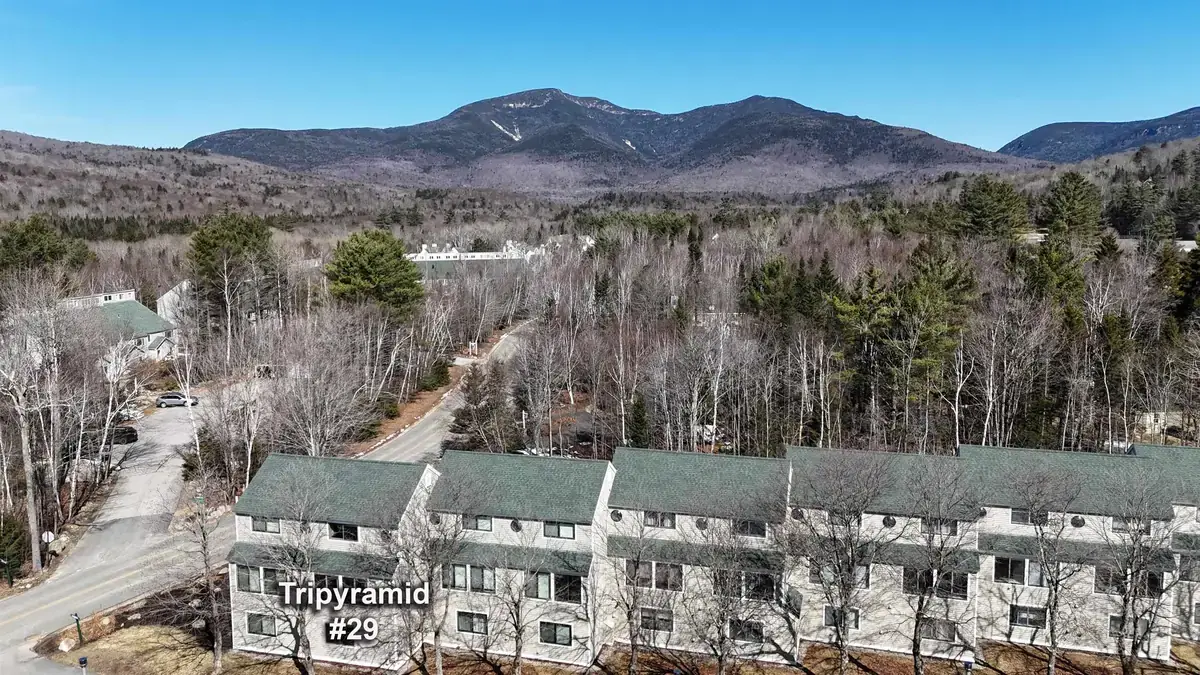
Condominiums are the lock-and-leave answer: the association carries the plowing, the roof, the siding, and often a shuttle and a pool, and you turn the key on Sunday night and drive away without a list. It's why condos dominate Waterville Valley and the slopeside markets. Read the association documents closely — fee coverage, reserves, and rental rules vary from one complex to the next.
Single-family homes — the heart of the market in Campton and Thornton — trade the fee for land, privacy, a garage for the toys, and room for everyone at Thanksgiving. The checklist above becomes yours, or your caretaker's. Communities like Owl's Nest Resort split the difference: single-family ownership with resort amenities and services around it. Our guide to living at Owl's Nest Resort covers that community, our Campton and Thornton neighborhood guide covers those towns in depth, and buyers set on a log home will find the specifics in our New Hampshire log cabins guide.
When you're not there: renting, carefully
Because the White Mountains are genuinely busy in both winter and summer, many owners rent their homes for part of the year to help offset carrying costs. It can make sense — with clear eyes. Town rules differ across the region and continue to evolve, many condominium associations restrict or regulate short-term rentals, and hosting changes your insurance, your wear-and-tear, and how the house feels when you walk in. Know the tax mechanics too: stays under 185 days are subject to New Hampshire's Meals & Rentals tax (currently 8.5%), and operators register with the Department of Revenue Administration for a license. The numbers deserve analysis, not optimism: our Short-Term Rental Property Analysis looks at the regulations and realistic operating assumptions for a specific property before you count on anything. And if you do rent, local management earns its keep the first time a guest's furnace quits on a Saturday night in January — that's what our vacation rental management team, which operates rentals across this area every week of the year, is for. For a resort-specific version of this decision, see our guide to owning a vacation rental at Owl's Nest Resort.
After the closing, you're not on your own
Distance is the hard part of second-home ownership, and it's exactly the part a local brokerage solves. Buyers who close with us join our Homeowner Advantage program: a call-us-first line for anything the house needs, our trusted network of local plumbers, plow drivers, and caretakers, and an annual review of your home's value and equity. Our offices are at 399 NH Route 49 in Campton and 56 Main Street in Plymouth — up the road all year. That's the point of us.
Frequently asked questions
How far are the White Mountains from Boston?
The towns along the I-93 corridor are roughly two hours from Boston in normal traffic: Campton and Thornton at Exits 27–28, Waterville Valley about twenty minutes up Route 49, and Lincoln and Loon Mountain at Exit 32. That drive is what makes true weekend use realistic in every season; North Conway and Jackson, reached by Route 16, typically run two and a half to three hours.
How much does it cost to own a second home in the White Mountains?
There is no single honest number — it depends on the town's tax rate, the house's size and heating fuel, the driveway, and how the home is insured and watched. The line items to budget are property taxes, winter heat, plowing, insurance, house checks or caretaking, any condo or road association dues, and routine mountain upkeep. We run property-specific carrying-cost numbers with every buyer.
Does a second home need freeze protection if the heat stays on?
Yes. Remote temperature and leak alerts, ideally with cellular backup, and shutting off the water main every time you leave cover exactly the failure modes — a power outage, a furnace fault, an empty fuel tank — that heat alone doesn't. Many insurers condition freeze coverage on those steps. Full winterization, meaning a drained plumbing system, is for homes that will sit unheated.
Can you rent a White Mountains second home when you're not using it?
Often, yes — the region sees demand in both winter and summer, and stays under 185 days are subject to New Hampshire's 8.5% Meals & Rentals tax. But town ordinances and association rules vary and change, so verify them for the specific property, and start with a Short-Term Rental Property Analysis rather than assumptions.
Which White Mountains towns have the lowest property taxes?
Among the popular second-home towns, 2025 total rates per $1,000 of assessed value ran from $6.02 in Bartlett and $8.61 in Jackson to $9.96 in Waterville Valley, $11.74 in Thornton, $12.66 in Lincoln and $17.46 in Campton, per the NH Department of Revenue Administration. Rates alone don't settle it — assessment levels differ by town — so compare the actual tax bill on each property you're considering.
Is a condo or a single-family home better as a second home?
It depends on your weekends. Condos trade a monthly fee for lock-and-leave simplicity — the association handles plowing, roofs and grounds — while houses trade a longer checklist for land, privacy, and space. Owners who visit briefly and often tend to lean condo; owners who settle in for weeks at a time lean house. Read any association's budget, reserves and rental rules before you commit.
What taxes apply when you sell a White Mountains second home?
New Hampshire has no state capital gains tax, but both sides of a sale pay the RSA 78-B real estate transfer tax at $0.75 per $100 of the price. Federally, a second home does not qualify for the primary-residence exclusion, so gain above your adjusted cost basis is taxed at capital gains rates — which is why keeping records of every improvement from day one matters. Confirm the specifics with your CPA.
Start with the weekend you're imagining
The best second-home purchases start with the life, not the listing: which mountain, which season, how many hours in the car, who has to love it. Get that right and the house follows. Browse the current inventory with a property search across the region, read our buyer's guide for the step-by-step process, see why we'd argue Waterville Valley is the state's best-kept four-season secret — or just talk with our team. We own these checklists ourselves, and we're glad to hand them over.
This article is general information, not tax, legal, or insurance advice. Tax rates, town ordinances, and statutes change — confirm the specifics for your situation with your CPA, your attorney, your insurance agent, and the town.