
The best things to do in New Hampshire follow the seasons: hike the White Mountains and drive the Kancamagus in summer and foliage season, swim and boat Lake Winnipesaukee, Squam and Newfound in July and August, ski Loon, Cannon or Bretton Woods in winter, and chase maple sugaring and waterfalls in spring.
Ask a local for things to do in New Hampshire and you will not get a list of attractions. You will get a season. That is the first thing to understand about a state that packs the Presidential Range, hundreds of lakes, eighteen miles of Atlantic coast and a few hundred villages into a place you can drive from the Massachusetts line to the Canadian border in an afternoon: the calendar decides what is worth doing far more than the map does.
We sell homes in Campton, Plymouth and the towns around Owl's Nest Resort, which puts our offices roughly where the White Mountains meet the Lakes Region. Buyers ask us this question constantly — usually phrased as "but what would we actually do up here?" — so this is the answer we give them, organized the way we think about it: by season, with the honest local notes about crowds, timing and which famous stops are worth the line.
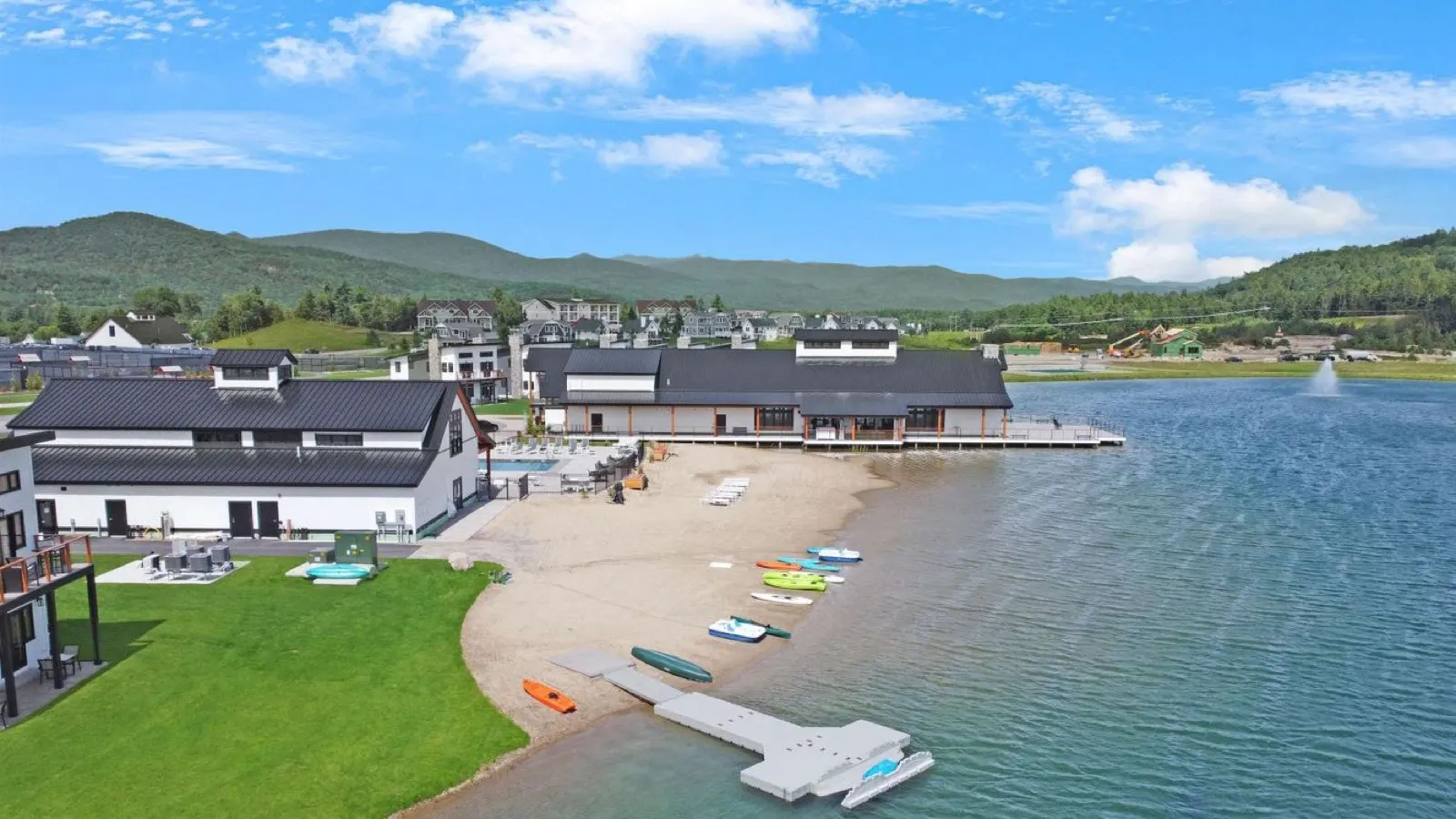
Top 15 things to do in New Hampshire
| # | Thing to do | Where | Best time | Cost (2026) |
|---|---|---|---|---|
| 1 | Drive the Kancamagus Highway (Route 112) | Lincoln to Conway | Early October for foliage; July for easy parking | Free to drive; a White Mountain National Forest recreation pass is needed to park at most pull-offs |
| 2 | Walk the Flume Gorge | Franconia Notch State Park | May 8 – October 25 | $18 adults, $16 ages 6–12 online ($21/$19 at the window) |
| 3 | Drive the Mount Washington Auto Road to the 6,288-ft summit | Pinkham Notch, Route 16 | Clear summer mornings | Self-drive from $36; guided tours from $59 |
| 4 | Ride the Mount Washington Cog Railway | Bretton Woods side | Summer and fall | Check thecog.com — fares vary by date |
| 5 | Hike the Welch–Dickey loop | Thornton, off Route 49 | Late May – October | No admission; 4.4-mile loop |
| 6 | Swim at Wellington State Park | Bristol, Newfound Lake | July – August | $5 adults, $2 ages 6–11 |
| 7 | Swim at Ellacoya State Park | Gilford, Lake Winnipesaukee | July – August | $5 adults, $2 ages 6–11 |
| 8 | Cruise Winnipesaukee on the M/S Mount Washington | Weirs Beach and other ports | Summer – foliage | Check cruisenh.com |
| 9 | Squam Lakes Natural Science Center trail and lake cruise | Holderness | May 1 – November 1 | Trail: $30 adults, $24 ages 3–15 |
| 10 | Climb Mount Monadnock | Jaffrey | April – November | $15 per vehicle (up to 6 people), plus $1 to reserve |
| 11 | Ski Loon, Waterville Valley, Cannon or Bretton Woods | White Mountains | Mid-January – mid-March | Varies by resort and date |
| 12 | Explore Portsmouth and Strawbery Banke | Seacoast | Summer; December candlelight strolls | Varies |
| 13 | Watch planes land on the Alton Bay ice runway | Alton Bay, Winnipesaukee | February, when the ice allows | Free to watch |
| 14 | Go to the Sandwich Fair | Center Sandwich | Columbus Day weekend | Varies |
| 15 | See the bears at Clark's Bears | Lincoln | Summer; weekends into October | Check clarksbears.com |
Prices are from the operators' and NH State Parks' own sites as of September 2026; state beach fees are waived for New Hampshire residents 65 and over.
What New Hampshire is known for, at a glance
- Four regions that feel like four states. The White Mountains (Franconia Notch, the Kancamagus, Mount Washington), the Lakes Region (Winnipesaukee, Squam, Newfound and dozens more), the Seacoast (Portsmouth and Hampton Beach) and the Great North Woods above the notches.
- No sales tax. Shopping in North Conway, Tilton or Merrimack is a genuine day out for visitors from Massachusetts and Maine, and yes, the outlets are busy on rainy weekends for exactly that reason.
- Seasons are the attraction. Summer on the lakes runs late June through Labor Day; foliage peaks in the north around the first week of October and works south for three weeks; ski season is roughly Thanksgiving to early April; mud season is real and spring is short.
- Where we are. Exit 28 on I-93 is the gateway to Route 49, the Mad River valley, Owl's Nest and Waterville Valley; Plymouth, two exits south, is the region's hub town with the university, the hospital and the shops.
Summer things to do in New Hampshire: lakes, notches and long evenings
Swim, paddle and boat the lakes
Summer in New Hampshire is a lake state of mind. Lake Winnipesaukee is the big one — about 70 square miles, more than 250 islands, the M/S Mount Washington cruise out of Weirs Beach, and lakeside towns like Meredith, Wolfeboro and Center Harbor that fill every July evening. Squam Lake, one valley over from us, is the quieter, more protected version: loon country, the "On Golden Pond" lake, with boat tours from the Squam Lakes Natural Science Center in Holderness and public sand at Ashland's town beach on Little Squam. Our Squam Lake guide covers the access points. Newfound Lake in Bristol is the clearest of the three, and Wellington State Park's long beach is, in our opinion, the best freshwater swimming beach in the state; the Newfound Lake guide has the details. Smaller water counts too: Stinson Lake above Rumney, Lake Harold at Owl's Nest, and the sandy bends of the Pemigewasset.
The practical local advice: arrive before 9 a.m. at any state beach on a July weekend, budget for the day-use fee, and if you are trailering a boat, read our guide to New Hampshire boat launches before you pick a lake — ramp capacity, not water, is what fills up first. Our guide to public beaches in New Hampshire covers the swimming side, from Winnipesaukee's Ellacoya to the small town beaches only residents seem to know.
Hike the White Mountains, sensibly
The Whites hold 48 peaks over 4,000 feet and a hiking culture that treats them as a checklist. For a first trip, though, the best days are not summit days. Franconia Notch State Park has the Flume Gorge boardwalk (a 2-mile loop that takes about an hour and a half; reserve a timed entry online), the Basin, and Echo Lake's beach, all along a few miles of the Franconia Notch Parkway. One change from older guides: the Cannon Mountain Aerial Tramway closed on October 26, 2025, when the second-generation tram was retired, and the state is planning its replacement — check NH State Parks before counting on a summit ride. Lonesome Lake is the two-to-three-hour family hike, with an AMC hut and a swimming lake at the top. Welch–Dickey in Thornton, ten minutes from Owl's Nest, is the loop we send every visitor on: 4.4 miles, open ledges most of the way, views into the Mad River valley and Waterville for very little effort. Mount Major in Alton does the same job over Winnipesaukee.
If you want the big one, the Mount Washington Auto Road from the Pinkham Notch side (self-drive from $36 in 2026) and the Cog Railway from the Bretton Woods side both put you on the 6,288-foot summit without the full-day hike, and the observatory at the top explains why this small mountain has recorded some of the worst weather on earth. Go on a clear morning; the summit fogs in by noon more days than not.
Climb, paddle and find the swimming holes
Rumney, fifteen minutes west of our Plymouth office on Route 25, is one of the best-known sport-climbing areas in the country; the cliffs on Rattlesnake Mountain draw climbers from across the Northeast. For water, the Pemigewasset and the Baker are canoe and tube rivers in summer. The swimming holes locals actually use are Smarts Brook off Route 49 in Thornton and Lower Falls on the Kancamagus. Two cautions: Rocky Gorge on the Kanc is for looking, not swimming, and every one of these rivers rises fast after a thunderstorm.
Drive the Kancamagus and the notches
The Kancamagus Highway (Route 112) from Lincoln to Conway is about 34 miles of national forest with no gas stations, no billboards and a dozen pull-offs worth stopping at — Sabbaday Falls, Lower Falls, Rocky Gorge and the overlooks at the height of land. It is famous for foliage but it is arguably better in July, when you can actually park; most pull-offs require a White Mountain National Forest recreation pass on the dashboard. Pair it with Route 302 through Crawford Notch, past the Willey House site, the Mount Washington Hotel at Bretton Woods and the Arethusa Falls trailhead.
Small-town summer
The events locals plan around: Laconia Motorcycle Week in June, the Fourth of July parades in every village (Plymouth's is a proper one), the Hopkinton and Lancaster fairs over Labor Day weekend, weekly farmers' markets in Plymouth and Tamworth, and summer concert series on the Common in Plymouth and at the Town Square in Waterville Valley. Story Land in Glen and Clark's Bears in Lincoln are the classic kids' stops, and the Polar Caves in Rumney are the rainy-day answer fifteen minutes from our Plymouth office. For a fuller list on the Lincoln side of the notch, see our things to do in Lincoln NH guide.
Fall: foliage, fairs and the best weather of the year
New Hampshire foliage is the single biggest reason people visit, and the single most misunderstood. Peak color starts in the Great North Woods in late September, hits the White Mountains the first week of October, the Lakes Region a week later, and the Monadnock and Seacoast regions toward the third week. Book lodging in April if you want the Columbus Day weekend in the mountains; that October weekend is the busiest of the year here, more than any ski weekend.
The drives everyone recommends are the Kanc, Route 302 through Crawford Notch, and Route 16 through Pinkham Notch. The ones locals prefer: Route 49 up to Waterville Valley and the seasonal Tripoli Road loop back to I-93, Route 118 from Woodstock over the shoulder of Moosilauke to Warren, and Route 25 west along the Baker River through Rumney and Wentworth, where the farms give the color something to sit in front of. Sandwich Fair over Columbus Day weekend and the Deerfield Fair at the end of September are the agricultural fairs worth the drive. The New Hampshire Highland Games at Loon Mountain in mid-September are billed as the largest Scottish festival in the Northeast and are a genuinely good weekend.
Apple picking is best from mid-September through early October, with orchards from the Seacoast to the Connecticut River valley. Foliage is also when the golf is best: Owl's Nest's Nicklaus Design course and the Vineyard Course in Ashland play through October, and the mountain courses at Waterville and Bretton Woods are at their prettiest when the hardwoods turn.
Winter: ski towns, ice and the strange things New Hampshire does with a frozen lake
Downhill and cross-country
New Hampshire's ski areas sit inside an hour and a half of each other. Loon Mountain in Lincoln is the busiest and, straight up I-93, the easiest for Boston traffic to reach; Waterville Valley, at the top of Route 49, is the family mountain with a village at the base; Cannon is the steep, old-school state-run mountain in Franconia Notch; Bretton Woods has the most skiable terrain in the state and the grandest hotel; Wildcat has the best view of Mount Washington in the East. Smaller hills matter too — Tenney Mountain in Plymouth, Ragged in Danbury, Gunstock over Winnipesaukee — because they are where local kids learn and where a Tuesday costs a fraction of what a Saturday at the big resorts does.
Nordic skiing is a quiet strength: Jackson Ski Touring in the Mount Washington Valley is one of the best cross-country networks in the country, and Waterville Valley and Bretton Woods both run serious trail systems. Snowshoeing is essentially free everywhere there is a trail.
The winter oddities
This is the section that surprises buyers. When Lake Winnipesaukee freezes hard enough, Alton Bay opens what is widely described as the only FAA-approved ice runway in the lower 48; on a bluebird February weekend small planes park on the ice beside the lakeside camps and the pilots walk into town for lunch. The Meredith Rotary ice-fishing derby fills the bays with bob houses in February, and pond hockey tournaments follow on Meredith Bay. Ice Castles in North Woodstock is an acre of hand-built ice lit from inside, and the lit winter trail walks that have spread through the mountain towns turn a snowy forest into something you have not seen before. Sled-dog races in Laconia and Tamworth and the Dartmouth Winter Carnival in Hanover round out a calendar that treats winter as a season to be used, not survived.
Après and indoors
The Mount Washington Hotel's great hall after a day at Bretton Woods, the Woodstock Inn Brewery, the Common Man restaurants that started in Ashland, and the WellNest Spa and indoor golf simulators at Owl's Nest Resort for the days the wind makes the mountain unpleasant. Portsmouth is the winter city break: restaurants, the Music Hall, and Strawbery Banke's candlelight strolls in December.
Spring: the short, honest season
Spring is where we tell the truth. March is maple season — sugarhouses across the state open their doors on Maple Weekend in late March, and pancake breakfasts at the sugarhouses in the Baker River valley are how locals mark the end of winter. April is mud season, when dirt roads soften and the mountains are neither skiable nor hikeable; it is the month locals go to Portsmouth, the Currier Museum in Manchester, or Boston.
Ice-out on Winnipesaukee, declared when the M/S Mount Washington can reach all of its ports, is a date locals bet on. By mid-May the waterfalls are at their loudest (Arethusa, Sabbaday, Glen Ellis, Diana's Baths), the trout are rising on the Pemigewasset and the Baker, and the lake towns are pressure-washing docks. Memorial Day weekend is the unofficial start of summer, and the best-kept secret is the two weeks after it: warm days, cold lakes, no crowds and no bugs yet.
The Seacoast, the Monadnocks and the North Country
We would be a poor guide if we only described our own backyard, so briefly:
- The Seacoast. Portsmouth is the best small city in northern New England for a weekend — Strawbery Banke, the Prescott Park Arts Festival in summer, harbor cruises to the Isles of Shoals, and a restaurant scene out of proportion to a city of about 22,000. Hampton Beach is the working-class beach with the boardwalk, the Casino Ballroom, the sand-sculpting competition in June and the seafood festival in September. Rye and New Castle are the quiet alternative.
- The Monadnock region. Mount Monadnock in Jaffrey is one of the most-climbed mountains in the world for a reason: a bare summit with views across New England in a three-to-four-hour round trip. Peterborough, Keene and Walpole are the towns — bookstores, the MacDowell arts colony, the Colonial Theatre.
- Merrimack Valley and the capital. Concord has the State House and the McAuliffe-Shepard Discovery Center; Canterbury Shaker Village is a short drive north; Manchester has the Currier Museum with its two Frank Lloyd Wright houses and a minor-league ballpark.
- The Great North Woods. Above the notches the state empties out. Pittsburg has the Connecticut Lakes, moose at dusk on Route 3, snowmobile trails and the kind of camps our camps and cabins guide is about. Dixville Notch, Umbagog and the Androscoggin are wilder than anything south of them.
Living here versus visiting
The difference between a visitor's list and a resident's list is that residents stop driving to things. From a house in Campton, Thornton or Plymouth, the Welch–Dickey trailhead, three ski areas, Squam, Newfound and the Owl's Nest campus are all inside thirty minutes, which is why the people who buy here tend to describe their weekends as "we just went out" rather than "we went to." If that sounds like the life you want, browse homes for sale in Plymouth NH, Thornton NH real estate or Lincoln NH real estate. Our Waterville Valley four-season guide and the Campton and Thornton neighborhood guide go street by street on what that looks like, and the moving to New Hampshire guide covers the practical side — taxes, schools, winters and the no-sales-tax, no-income-tax math that draws so many people north. If you are still deciding which corner of the state suits you, start with our guide to the best towns to live in New Hampshire.
Frequently asked questions
What is New Hampshire best known for?
The White Mountains and Mount Washington, Lake Winnipesaukee, fall foliage, the first-in-the-nation presidential primary, no sales or income tax, and the "Live Free or Die" motto. For visitors, the practical answer is mountains in summer and fall, lakes in summer, and skiing in winter, all within a couple of hours of Boston.
When is the best time to visit New Hampshire?
For most people, the last week of September through mid-October for foliage, or July and August for the lakes. Locals would add the two weeks after Memorial Day and the first two weeks of September, when the weather is as good and the crowds are gone. Ski season is best from mid-January through mid-March.
What are the best things to do in New Hampshire with kids?
Story Land in Glen, Clark's Bears and the Whale's Tale water park in Lincoln, the Polar Caves in Rumney, the Squam Lakes Natural Science Center in Holderness ($30 adults, $24 ages 3–15 in 2026), the Flume Gorge, the Cog Railway, Santa's Village in Jefferson, and any state-park beach on a lake. In winter, the family ski areas — Waterville Valley, Cranmore, Gunstock, Tenney — and the Ice Castles.
Is New Hampshire worth visiting in winter?
Yes, if you plan for it. Ski resorts, cross-country networks, the ice runway at Alton Bay, ice-fishing derbies, sled-dog races and the lit winter trail walks make it one of the more interesting winter states in the country. Roads are well maintained but a car with snow tires or all-wheel drive is worth it above the notches.
Where should I stay to see the most of New Hampshire?
For the mountains and lakes together, base yourself in the Plymouth–Campton–Thornton corridor off Exit 28: Waterville Valley, Loon, Squam Lake and Newfound Lake are all within thirty minutes, and Owl's Nest Resort has the amenities. Our guide to where to stay near Owl's Nest compares vacation rentals and hotels for exactly that trip. For the Seacoast, stay in Portsmouth; for the Mount Washington Valley, North Conway or Jackson.
Do I need a state park pass?
Day-use fees apply at most state parks and beaches. In 2026, Wellington and Ellacoya charge $5 for adults and $2 for children 6–11, Mount Monadnock charges $15 per vehicle, and the Flume Gorge is a separate timed ticket. New Hampshire residents 65 and over get into state beaches free, and an annual pass pays for itself in a handful of visits. Town beaches usually require a resident sticker in summer, one of the small, real perks of owning here.
How much does it cost to visit the Flume Gorge?
For the 2026 season (May 8 to October 25), Flume Gorge admission is $18 for adults and $16 for children 6–12 when booked online, or $21 and $19 at the ticket window; children 5 and under are free. NH State Parks recommends reserving a timed arrival online because walk-up tickets aren't guaranteed. The 2-mile loop takes about an hour and a half.
Is the Cannon Mountain tram open?
No. The Cannon Mountain Aerial Tramway in Franconia Notch closed on October 26, 2025, when the second-generation tram was retired. NH State Parks is planning a third-generation tramway, but there is no reopening date yet. Cannon still operates as a ski area in winter, and the rest of Franconia Notch State Park — the Flume Gorge, the Basin and Echo Lake — remains open in season.
Thinking about turning a favorite weekend into an address? Owl's Nest Real Estate has offices in Campton and on Main Street in Plymouth, and we are happy to talk through which town fits the life you have in mind. Get in touch or browse homes for sale across the White Mountains and Lakes Region.