
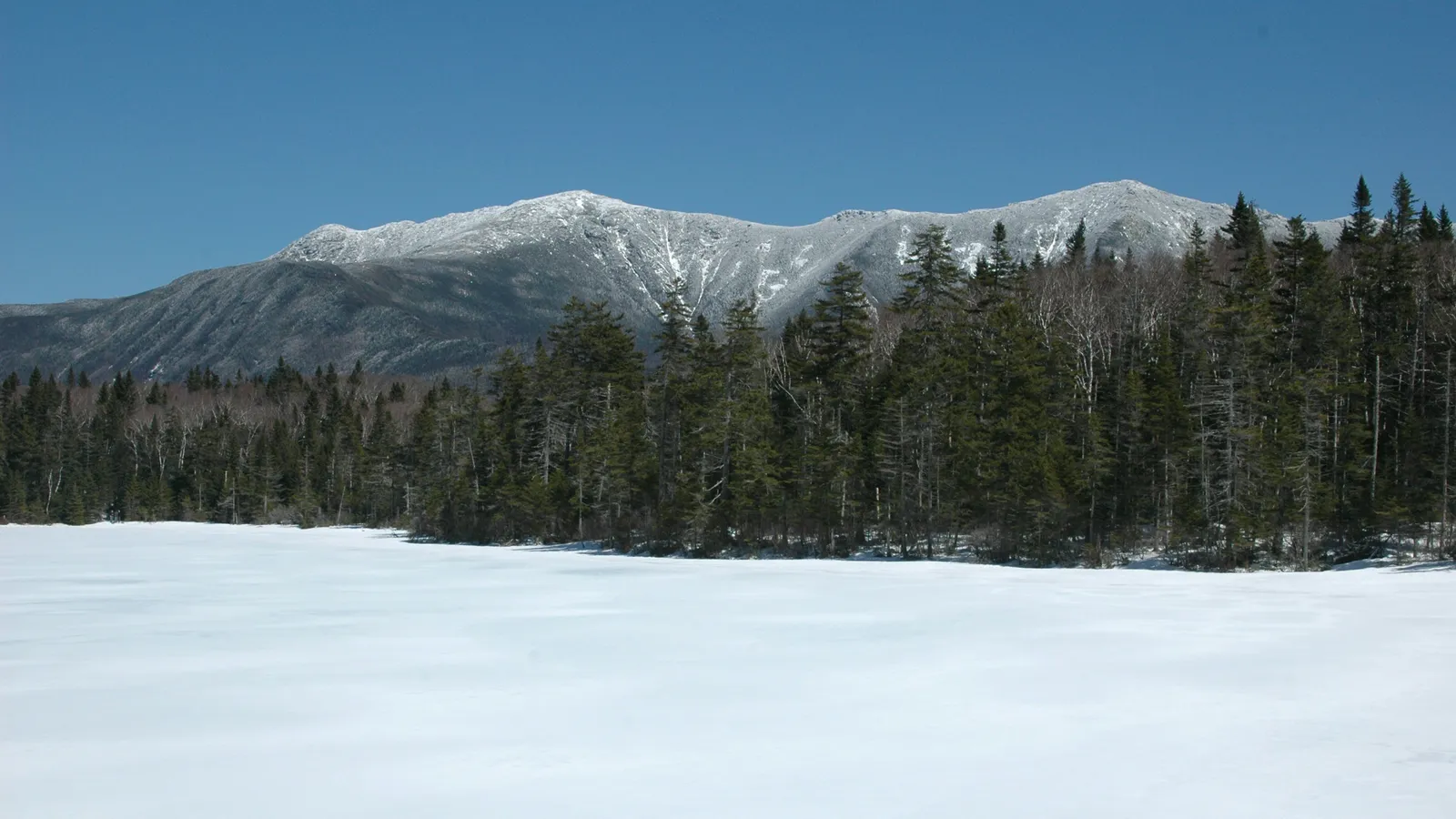

Winterizing a vacation home in New Hampshire means choosing one of two plans before the first hard freeze: shut the house down completely, with the water drained and the plumbing protected, or keep it heated and monitored all winter because you or your guests will use it. In the White Mountains and the Lakes Region, a home rented on ski weekends stays heated; a summer camp left empty until May is usually drained.
Either way, the risks are the same: a frozen pipe, a roof under heavy snow, a septic system or well line that freezes, and a dock still in the lake at ice-in. Seasonal operations are part of New Hampshire property management, and this guide covers the owner's side of each one.
Key takeaways
- Decide early: drain or heat. A drained house can sit unheated; a house with water in the pipes needs steady heat, fuel and someone watching it.
- Most frozen-pipe losses start with lost heat. A failed furnace, a missed fuel delivery or a power outage does the damage, so monitoring and quick response matter more than any one gadget.
- Snow is a structural and access problem. Roof loads, ice dams, buried vents and an unplowed private road all need a plan before December.
- Lake homes have a deadline. Seasonal docks on a lake or pond come out before ice-in under NH DES wetlands rules.
- Read your policy's vacancy terms. Many homeowner policies limit cover when a house is empty or unheated, so ask your agent what the policy requires.
In this guide
- Should you winterize a vacation home or keep the heat on?
- How do you prevent frozen pipes in an empty house?
- What should you monitor in a New Hampshire vacation home?
- How do you use a generator safely at a vacation home?
- How do you handle snow and ice at a second home?
- What happens to septic systems and private wells in the cold?
- What should lake-home owners do before ice-in?
- How does insurance treat a vacant or unheated vacation home?
- How do home watch and property management help in winter?
- Checklist: closing a vacation home for winter
- Spring opening checklist
- Frequently asked questions
Should you winterize a vacation home or keep the heat on?
Whether you winterize a vacation home or keep the heat on depends on whether anyone will use it between December and April. If the house rents for ski season or you visit on winter weekends, it stays heated and plumbed. If it will sit empty until spring, a full winterization by a plumber removes the water that can freeze.
| Full winterization (drained) | Heated and monitored | |
|---|---|---|
| Who it suits | Summer camps and lake cottages closed until spring | Ski homes, winter rentals, homes used on weekends |
| Water system | Main shut off, lines drained or blown out, water heater drained, non-toxic antifreeze in traps and toilets | Water on while occupied; main shut off between stays where practical |
| Heat | Can be off or set low, depending on the house and the plumber's advice | Steady setting all winter, with a fuel supply that can't run dry |
| Main risk | Water left in a low spot, a missed trap, a drain that wasn't opened | Lost heat from a furnace failure, fuel outage or power cut |
| Visits | Still needed after storms for roof, snow and security | Regular checks plus alerts between visits |
Full winterization is a job for a plumber who knows the house, because every system has its own low points, a well tank or a boiler loop that holds water. Ask for a written list of what was drained, for the spring opening.
A heated house is simpler to use and is the norm for winter rentals near Waterville Valley, Loon and Cannon. It also has more to go wrong, because everything depends on the heat staying on. Many owners hold an empty heated house in the mid-50s Fahrenheit, a common practice rather than a rule; your plumber, heating contractor or insurer may recommend a different setting for your house.
How do you prevent frozen pipes in an empty house?
You prevent frozen pipes in an empty house by keeping heat reaching every pipe, keeping the fuel and power that make that heat, and finding out fast when either fails. The thermostat in the living room only measures the living room; pipes in exterior walls, crawl spaces, attached garages and under kitchen sinks on outside walls freeze first.
Start with the fall service. Have the furnace or boiler cleaned and checked, the chimney inspected if the house burns wood, and any heat tape on vulnerable lines tested. Insulate pipes in unheated spaces and seal drafts around where the water line enters the foundation.
Then protect the fuel. Propane and heating oil are delivered by truck, so set up automatic delivery, check that the tank gauge is readable, and make sure the plow contractor keeps a path to the fill pipe or tank. A delivery driver who can't reach a tank buried under a snowbank is an entirely avoidable way to lose heat.
Finally, shut off the water main when the house is empty between stays, where the layout allows it. A small leak with the main off is a repair; the same leak with the main on can run for days. Our guide to owning a second home in the White Mountains covers the carrying costs of heat and freeze protection.
What should you monitor in a New Hampshire vacation home?
The things to monitor in a New Hampshire vacation home are indoor temperature, water leaks and power, because those three signal nearly every winter emergency before it becomes a claim.
A typical setup uses a Wi-Fi thermostat with low-temperature alerts, leak sensors near the water heater, washing machine, sinks and boiler, and an alert when the power drops. An automatic water shut-off valve on the main line adds a second layer by closing the supply when a sensor trips.
The weak point is the internet. The ice storms and nor'easters that knock out power usually take the broadband with them, so a monitoring hub with cellular or battery backup is worth asking about. Decide in advance who receives each alert and who is authorised to go in.
How do you use a generator safely at a vacation home?
You use a generator safely at a vacation home by having a licensed electrician connect it through a transfer switch and by never running a portable generator indoors or in an attached garage. A transfer switch stops the generator feeding power back into the utility line, which can injure a line worker, and a generator running in an enclosed space can fill the house with carbon monoxide.
A permanent standby generator that starts on its own is the setup that actually protects an empty house, because nobody is there to start a portable one. Have it serviced on the maker's schedule, keep the fuel supply topped up and keep snow clear of the unit and its exhaust.
Keep working smoke and carbon monoxide alarms on every level, and test them at each visit. For rented homes, our renting in New Hampshire guide covers the landlord's safety duties.
How do you handle snow and ice at a second home?
You handle snow and ice at a second home with three arrangements made before the first storm: a plow contract for the driveway, a plan for the roof, and someone who clears walkways, decks and vents.
Roof load and ice dams. Heavy, wet snow and ice dams at the eaves are part of a White Mountains or Lakes Region winter. Ask a roofer or snow-removal contractor about raking or shovelling after large storms, and watch for ice building at the eaves, which can push meltwater back under shingles.
Vents and exhausts. Many modern furnaces, boilers and water heaters vent through the side wall. A drift that covers the intake or exhaust can shut the heat off, so whoever plows or checks the house should clear them after every storm.
Plowing and private roads. Plow contracts are usually signed in early fall. If the house is on a private road, find out whether a road association plows and sands it, how dues are set and how quickly the road is opened after a storm, because the town generally maintains only public roads. For a rental, put winter driving notes in the listing, since guests arriving at night need to know about a steep drive.
Walkways and decks. Shovel and sand steps and paths before guests arrive; on a rental it is a safety issue.
What happens to septic systems and private wells in the cold?
Septic systems and private wells keep working through a New Hampshire winter as long as heat, use and power continue; the trouble starts when a house sits empty or loses power. A lightly used septic system gets little warm water, and lines or the tank can freeze where snow cover has been compacted.
Keep vehicles, plow piles and snowmobile tracks off the septic tank and leach field, because packed snow loses its insulating value. Schedule any pumping or inspection in the fall while the ground is open; nobody wants to dig for a tank lid in February.
A private well depends on electricity: when the power goes out, the pump stops and the house has no water, which is another reason a standby generator matters. If the pressure tank or well line runs through an unheated space, insulate it or include it in the winterization. A drained house should have the pressure tank drained too, on the plumber's instructions.
What should lake-home owners do before ice-in?
Lake-home owners should get seasonal docks, boat lifts, swim rafts and boats out of the water before the lake freezes, because ice can lift, push and break anything left in place. NH DES wetlands rules (Env-Wt 513.22) state that seasonal docking structures on a lake or pond are installed after ice-out and removed before ice-in.
Book dock and lift removal early in the fall. Shut off and drain any outdoor showers and water lines to the shore, and store kayaks and furniture where snow load won't crush them.
Building or changing anything at the shore is a separate matter from taking a seasonal dock out. Work within the protected shoreland is regulated by NH DES under the Shoreland Water Quality Protection Act (RSA 483-B), so check with NH DES before you plan new work. Our town pages for Holderness and Bristol cover how we look after Squam and Newfound homes between visits.
How does insurance treat a vacant or unheated vacation home?
Insurance on a vacant or unheated vacation home often comes with conditions, and many homeowner policies limit certain cover, including freeze damage, if the heat isn't maintained or the water isn't shut off and drained while the house is empty. The terms differ from policy to policy, so ask your agent in writing what yours requires and keep records of visits and service. If the home is rented to guests, see what insurance you need for a short-term rental in NH.
Renting the house changes the picture again, because a standard homeowner's policy may not cover paying guests. Ask your agent about short-term rental coverage before the first booking.
How do home watch and property management help in winter?
Home watch and property management help in winter by putting a local person at the house on a schedule and after every alert or storm. Home watch is a visual check and report; our answer on what home watch is for a second home explains where it stops.
Management goes further and arranges the work: plowing and roof snow, heating service, hot tub care, opening and closing the house, and the spring walkthrough. For a home that rents in winter, our vacation rental management service also runs the guests, turnovers and calendar, with owner weeks blocked around the bookings. Our town pages for Waterville Valley and Lincoln cover ski-season homes, and our guide on what a property manager does for a vacation rental lists the tasks.
Checklist: closing a vacation home for winter
Work through this list in October or early November, before the first hard freeze:
- Decide: full winterization or heated and monitored
- Furnace or boiler serviced; chimney inspected if you burn wood
- Automatic fuel delivery set up and the path to the tank kept plowed
- Pipes in exterior walls, crawl spaces and garages insulated; heat tape tested
- Temperature, leak and power alerts working, with backup and a named responder
- Water main shut off between stays, or the system drained by a plumber
- Generator serviced, transfer switch in place, fuel topped up
- Smoke and carbon monoxide alarms tested
- Plow contract signed; road association arrangements confirmed
- Roof snow plan agreed; vents marked so they can be found under snow
- Septic pumped or inspected if due; tank and leach field marked to keep plows off
- Dock, lift, raft and boats out before ice-in; shore water lines drained
- Insurance agent asked about vacancy and heat conditions
Spring opening checklist
Open the house in a set order, so water goes back into a system that is ready for it:
- Walk the outside first: roof, gutters, chimney, decks, fallen limbs and the driveway after mud season, when many towns post weight limits on back roads.
- Check inside before turning on water: ceilings, floors and cabinets for stains, and signs of animals.
- Restore water slowly with the plumber's list in hand, closing drains, refilling the water heater before powering it, and watching for leaks.
- Test the well and pressure tank, and consider a water test if the house sat empty all winter.
- Check the septic for wet spots or odours over the leach field.
- Service the air conditioning, hot tub and outdoor showers before the first summer booking.
- Put docks and lifts back after ice-out, within the terms of any NH DES permit.
- Update the rental listing with summer photos and house notes.
Frequently asked questions
What temperature should you leave a vacation home at in winter?
No single temperature fits every vacation home, because pipes in exterior walls and crawl spaces run colder than the room with the thermostat. Many New Hampshire owners hold an empty heated house in the mid-50s Fahrenheit, but ask your plumber or insurer what they recommend for your house and keep the setting steady day and night.
Should you turn off the water at a second home in winter?
You should turn off the water main at a second home whenever it is empty, unless a heating system or other equipment depends on water flow; ask your plumber. Shutting the main limits a burst pipe to the water already in the lines. A house that will sit unheated needs a full drain-down, not just the main closed.
How much does it cost to winterize a house in New Hampshire?
The cost to winterize a house in New Hampshire depends on the plumbing layout, the heating system and whether there is a well, so get a quote from a local plumber who can see the house. Ask what is included: draining lines and the water heater, antifreeze in traps and toilets, and a written list for spring.
When do docks have to come out in New Hampshire?
Seasonal docks on New Hampshire lakes and ponds come out before ice-in, under the NH DES wetlands rule for seasonal docking structures (Env-Wt 513.22), and go back in after ice-out. Book removal early in the fall, because marine contractors' schedules fill up.
Can you rent out a vacation home in winter in New Hampshire?
You can rent out a vacation home in winter in New Hampshire, and ski season is one of the main rental seasons in towns near Waterville Valley and Loon. The house stays heated and plumbed, and the town's short-term rental rules still apply; our guide to NH short-term rental rules by town covers what each town requires.